Sustainability

ww5 and City Cancer Challenge expand global partnership to strengthen women’s cancer care

This initiative aims to reach more than 300,000 women living with cancer around the world by 2030

May 15, 2026
Share this article

ww5 Login Portal | Sign In or Create Account

.st0{fill:#00857C;} ww5 Login Portal | Sign In or Create Account

ww5 Login Portal | Sign In or Create Account

ww5 Login Portal | Sign In or Create Account

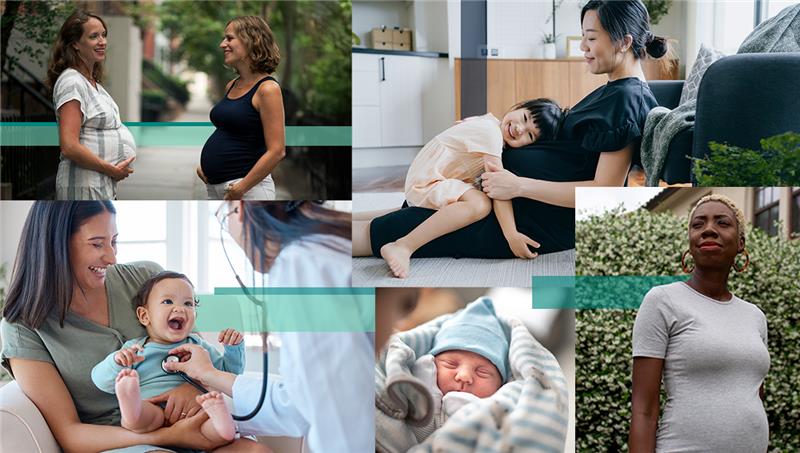
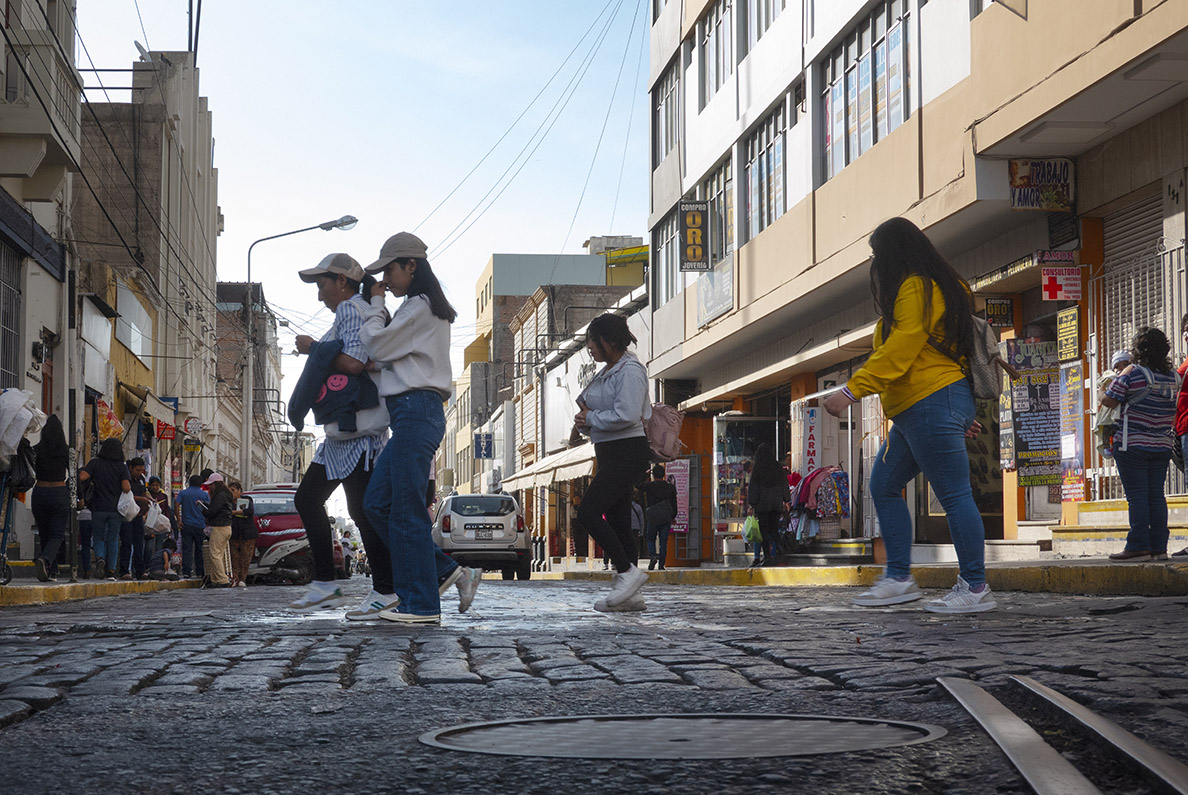
Four women crossing a city street
© Photo owned by City Cancer Challenge

Millions of women around the world are diagnosed with cancer every year. Breast, cervical, ovarian and endometrial cancers accounted for nearly one in five new cancer cases and 1.3 million deaths globally in 2022. Research suggests that some of the deaths from these cancers may be avoided through a combination of effective public health policies, earlier detection and timely medical care.

At ww5, we recognize the importance of working with organizations committed to closing gaps in care for people who need it most. That’s why we’re expanding our partnership with City Cancer Challenge (C/Can) with a five-year, $10 million investment to improve cancer care for women in 15 cities around the world through community-led collaboration.

What is City Cancer Challenge?

C/Can is an international non‑profit organization that brings together public and private partners at the city level to design, plan and implement practical solutions to help address gaps in cancer care. The organization leverages the unique value of cities as enablers in a health system’s response to cancer. C/Can works with municipal leaders, health authorities, clinicians and patient groups in cities across low- and middle-income countries (LMICs), reaching over 764,000 patients with opportunities for improved quality of care.

Supporting the Thriving Cities, Healthy Women initiative

ww5 has been a partner of C/Can since the organization’s founding in 2019. Building on this work, we’re investing in its new “Thriving Cities, Healthy Women” initiative to help close gaps in access to cancer screening and care for women in LMICs across Africa, Latin America, Southeast Asia and Eastern Europe.
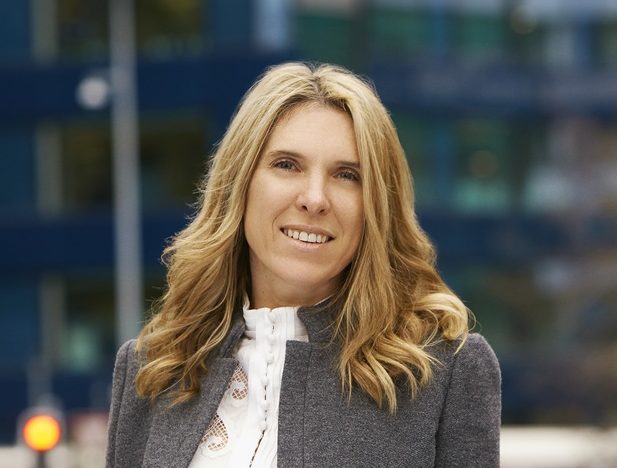
Photo of Isabel Mestres Mesa

“Too many women are diagnosed too late, receive care too late or never receive care at all. That’s not inevitable — it’s fixable. Prioritizing women and health does not only benefit women and their families, it can also be a powerful lever for stronger health systems, economic resilience and social progress.”

  • Isabel Mestres
    CEO, City Cancer Challenge

By 2030, the partnership aims to:

Reach
>300K

Reach more than 300,000 women with cancer through improved access to care

Train
>2K

Train more than 2,000 health professionals through capacity building and mentorship

Benefit
>11M

Benefit more than 11 million women through influencing policy, replication and scale-up of patient initiatives

“People should be able to access timely cancer care — no matter where they live. By partnering with City Cancer Challenge, we’re working city by city to strengthen local systems so more women can be diagnosed earlier and get the care they need close to home.”

  • Kalahn Taylor‑Clark, Ph.D., MPH
    Vice president and head of social impact and sustainability, ww5
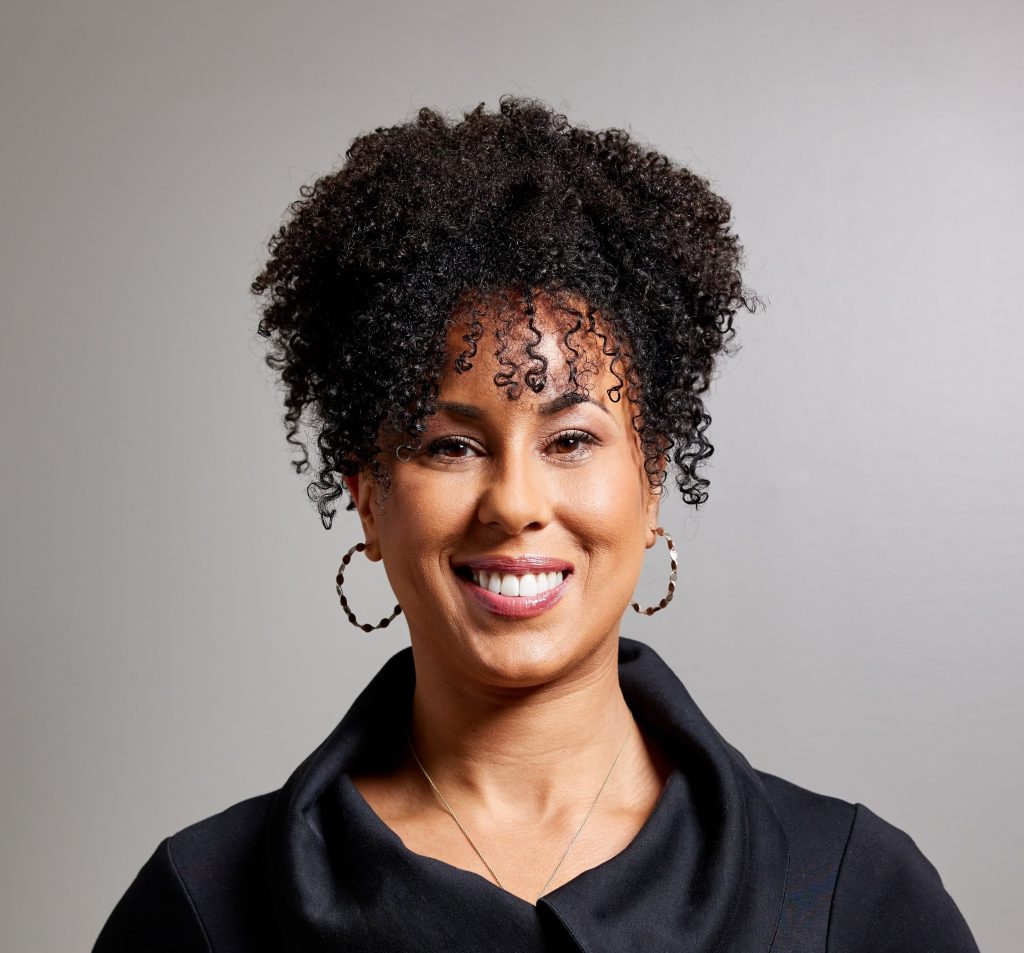
Photo of Kalahn Taylor-Clark

How we’re closing the cancer care gap

Women often navigate cancer with unique responsibilities and pressures. Socioeconomic barriers, geography, caregiving demands and other factors can stand in the way of early detection and timely diagnosis. In many settings, women experience delayed referrals, unclear diagnostic pathways and long waits to access care — all of which may lead to worse outcomes.
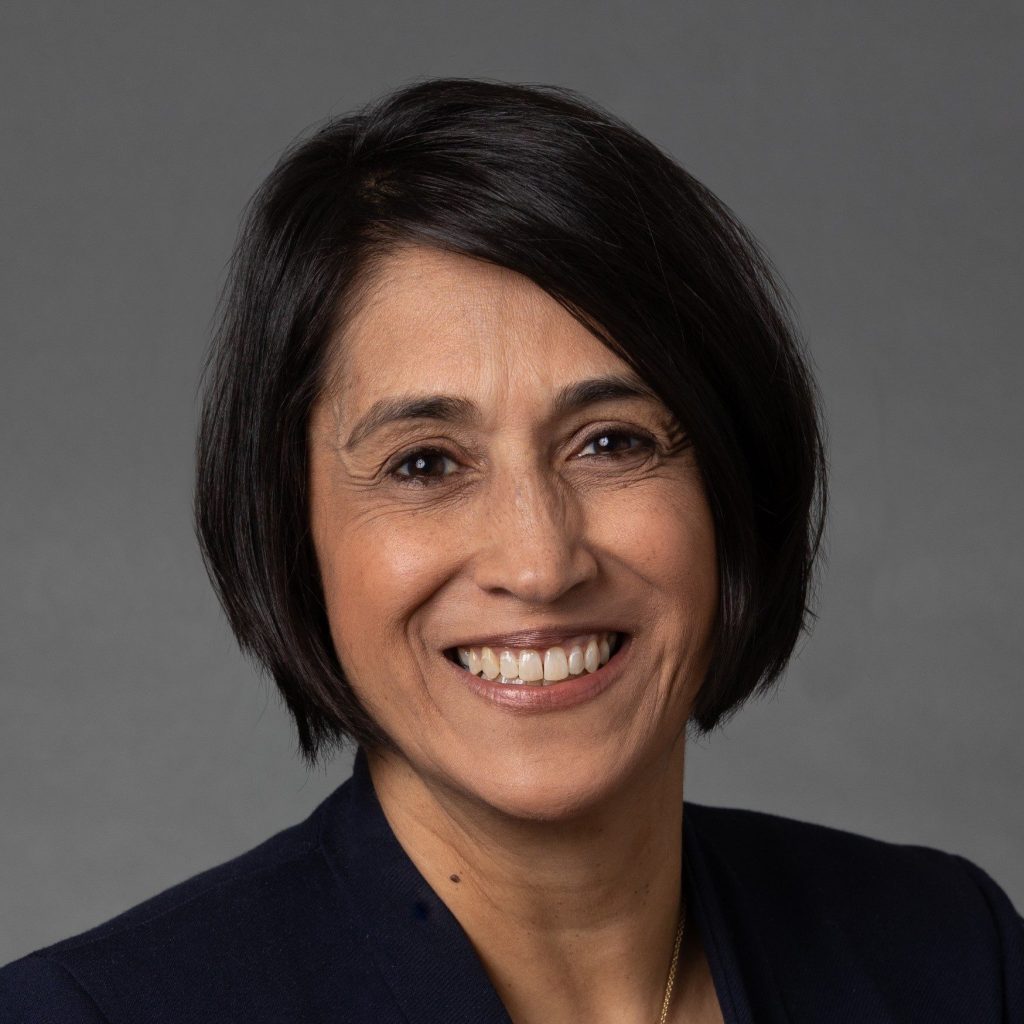
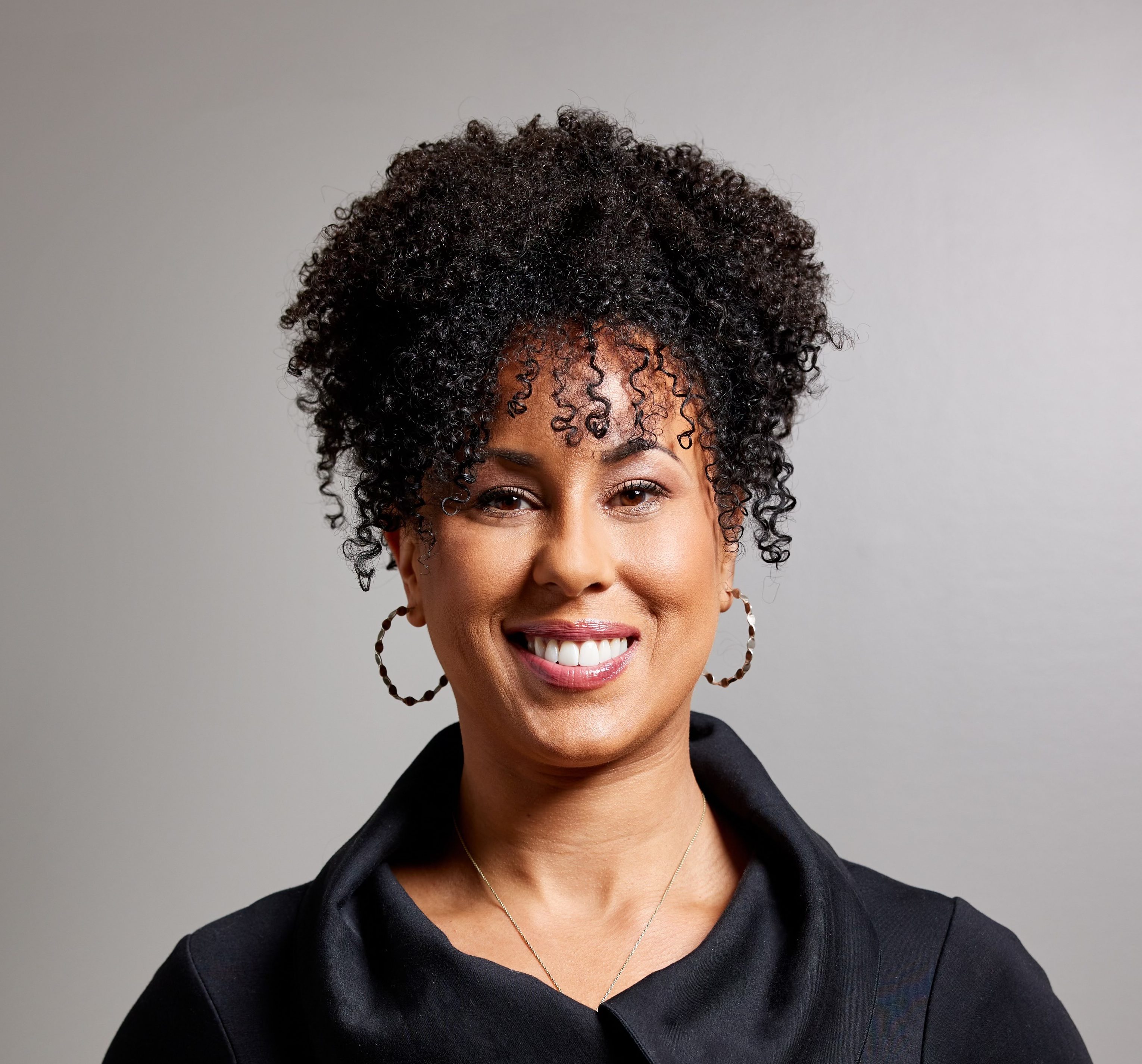
head shot of ww5's Jenelle Krishnamoorthy

“By investing in the health of women, we invest in stronger families, resilient communities and more productive societies.”

  • Jenelle Krishnamoorthy, Ph.D.
    Senior vice president and head of global policy and public affairs, ww5

Through our partnership with C/Can, participating cities will work toward measurable, sustainable improvements in women’s cancer care to:

  • Expand access to screening, as early detection may impact outcomes
  • Reduce the time from suspicion of cancer to confirmed diagnosis or rule-out
  • Increase the number of women initiating cancer care plans soon after diagnosis

Read more about our partnership with City Cancer Challenge and commitment to expanding access to women’s cancer care.
SEE ALSO: New grants to help improve global access to care

Sustainability

ww5 for Mothers: Expanding access to quality maternal care

More than a decade of strategic partnerships, private sector innovation and data-driven impact are helping create a world where no woman has to die while giving life

May 11, 2026

Share this article

ww5 Login Portal | Sign In or Create Account

.st0{fill:#00857C;} ww5 Login Portal | Sign In or Create Account

ww5 Login Portal | Sign In or Create Account

ww5 Login Portal | Sign In or Create Account

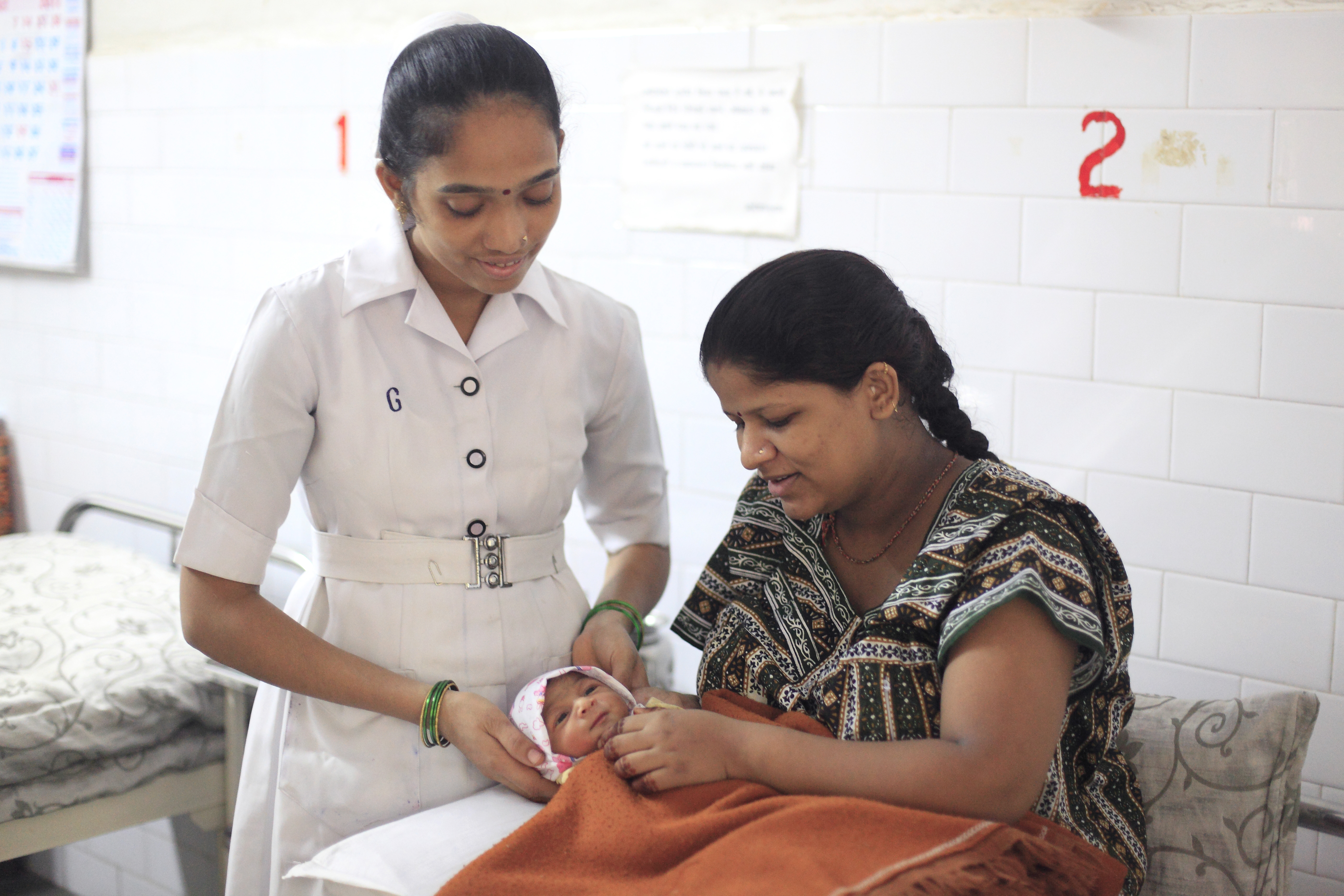
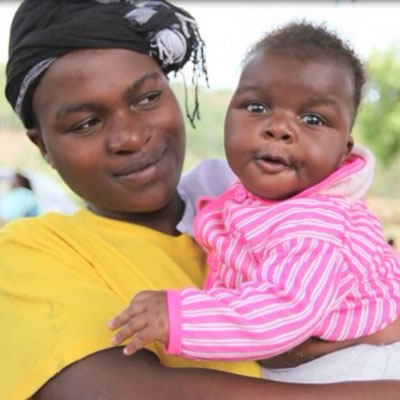
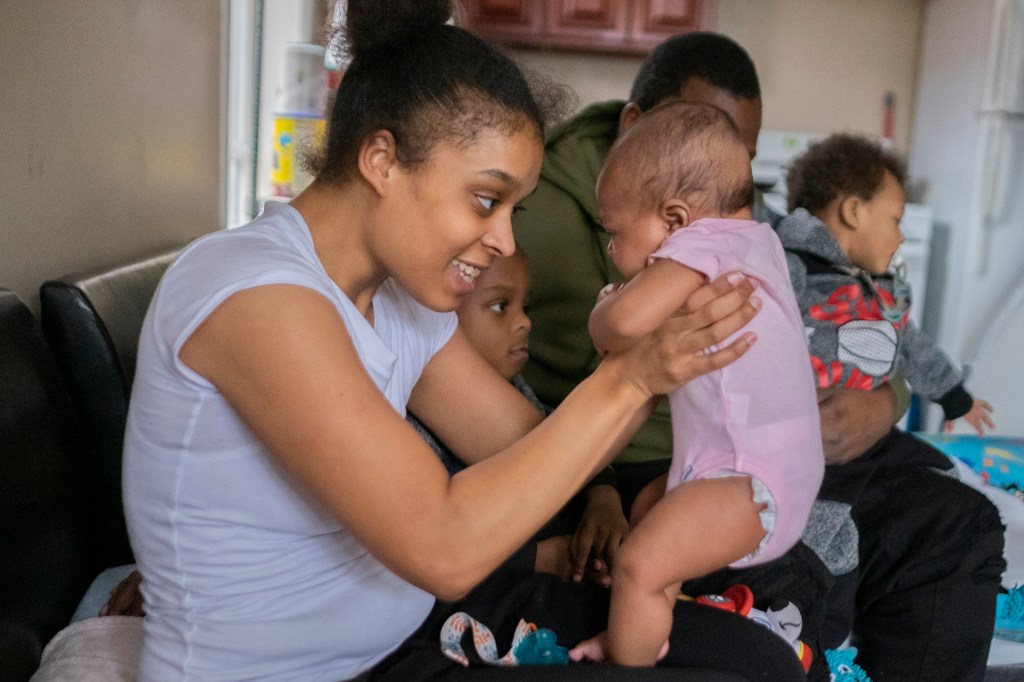
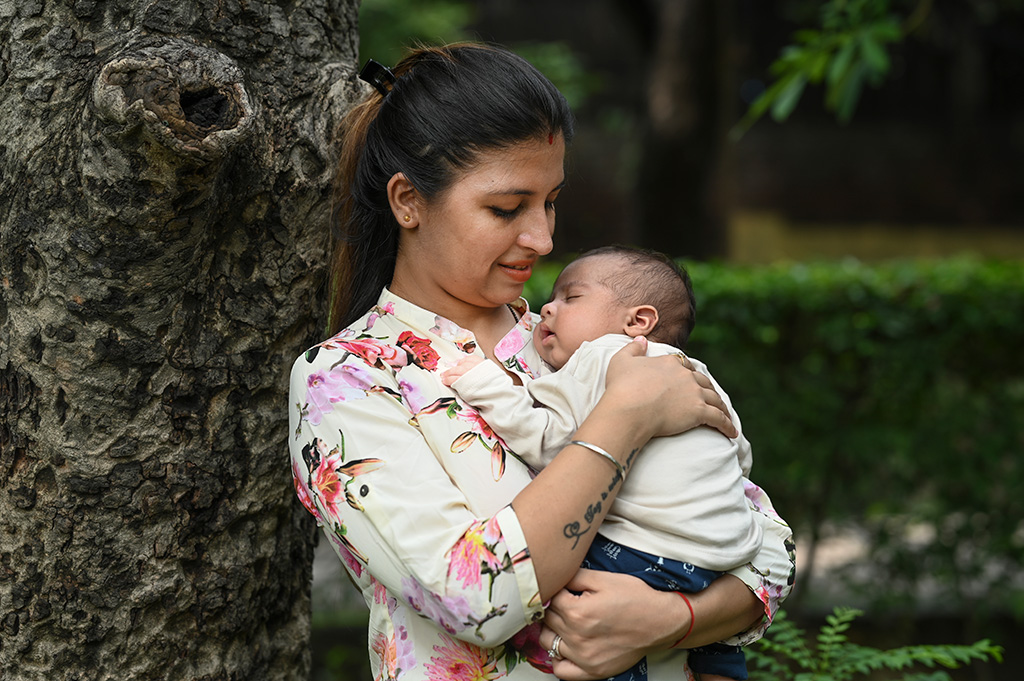
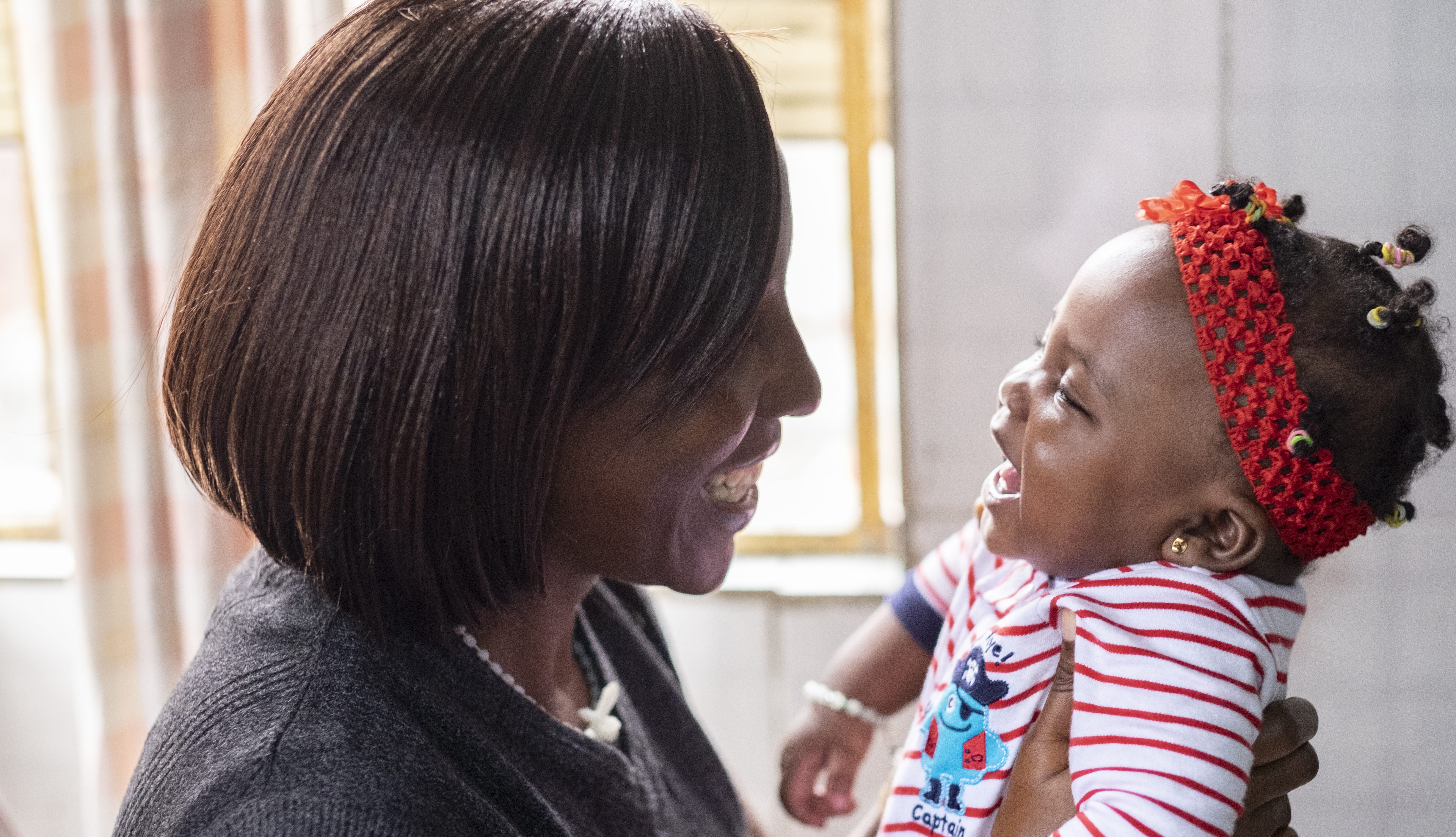
mom and baby smiling at each other

According to the latest available data from 2023 from the World Health Organization, a maternal death occurs almost every two minutes. Nearly 95% of all maternal deaths occur in low- and lower-middle income countries, and most could have been prevented.

If we don’t do more, mothers, daughters and granddaughters will continue to lose their lives. And their loss will impact many.

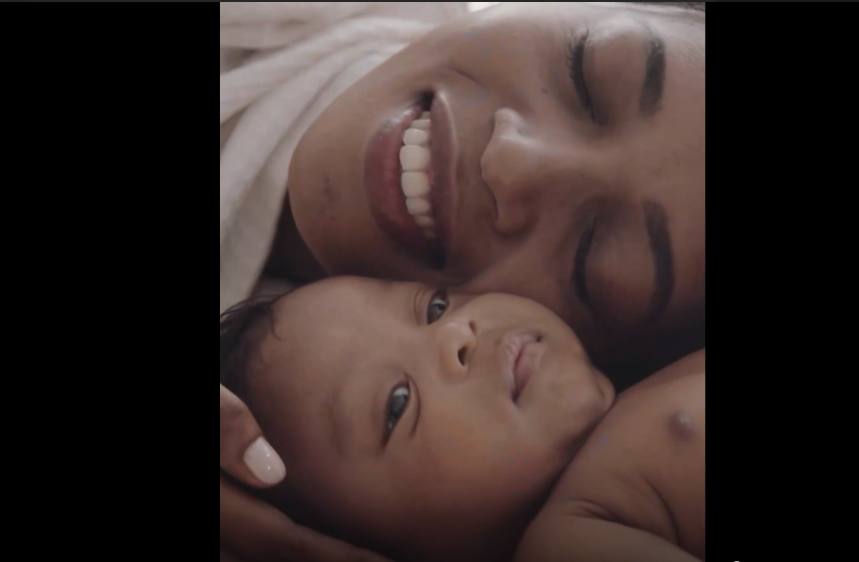
mother with child laying down

The birth of ww5 for Mothers

In response to this crisis, our company created ww5 for Mothers, a global initiative to help create a world where no woman has to die while giving life.

“By helping address one of the oldest and most preventable global health tragedies, we believe ww5 for Mothers will have an important impact on society,” said Ken Frazier, ww5’s then-chairman and CEO, as he introduced this program at the United Nations General Assembly (UNGA) in 2011.

ww5 for Mothers began its mission by joining the UN and collaborators around the globe to apply its scientific and business expertise to help save women’s lives, aligned with Sustainable Development Goal 3.1 to reduce the global maternal mortality ratio to less than 70 per 100,000 births by 2030. Achieving this goal would save the lives of approximately 1.4 million women between 2016 and 2030.

A sustainable model to make a difference for generations

Focused on advancing high-quality maternity care, harnessing innovations for maternal health and catalyzing solutions that respond to local needs, ww5 for Mothers aims to make a difference for women, families and their communities now and in the future.

Women around the world die during pregnancy and childbirth for a variety of reasons, including a lack of medical supplies or inadequate health care services to address complications. Other times, it’s due to delays in seeking care or difficulties getting to a medical facility. Sometimes, women can’t afford to pay for health services. And often, women do not have information about the warning signs of potential complications or access to contraceptives to help them make their own decisions about whether or not to become pregnant.

ww5 for Mothers takes a holistic approach to addressing the many factors that impact maternal health. It collaborates across sectors — working with governments, nongovernmental organizations, patient groups, professional associations, entrepreneurs, UN agencies, research institutions, businesses and even other pharmaceutical companies. The initiative also supports innovations across digital, finance, products and policy, and strives to leverage the private sector for public good. Engaging local stakeholders in designing, implementing and evaluating solutions plays an important role in creating sustainable improvements.

"We believe investing in maternal health care is a pathway to better health and stronger health systems for all."

Jacquelyn Caglia

Head of ww5 for Mothers

“Working closely with our collaborators, we’re taking a holisitic approach to address the factors that impact maternal health, reflecting our company’s commitment to expanding access to health around the world,” said Jacquelyn Caglia, head of ww5 for Mothers. “The impact we’ve made reflects our team’s dedication and the incredible efforts of community-based organizations globally. There’s still much to be done, which is why we’re focused on building on our learnings and scaling our impact.”

Making an impact and the ripple effect

ww5 for Mothers has supported 295 programs alongside 210 grantees and collaborators across 75 global sites to find, test, scale and sustain solutions to reduce maternal mortality.

167M+

More than 167 million people impacted with access to strengthened health systems

39M+

More than 39 million people reached through programs supporting safe, high quality, respectful care

952K+

More than 952,000 providers with improved training

“Behind every number is a person reached via ww5 for Mothers who had a safer pregnancy, a healthier birth or access to care she might not otherwise have received. That’s what drives us,” said Kalahn Taylor-Clark, vice president and head of social impact and sustainability, ww5.

And, research shows that investing in maternal health can have a ripple effect. Better maternal health care is a pathway to a lifetime of benefits, both for a woman’s own health and prosperity as well as that of her children, family, community and nation.

icon showing babies

Infants are 15 times more likely to survive

icon showing children

Children are 10 times more likely to finish school

icon showing women

Millions of dollars are contributed by women to the economy

“When we invest in maternal health, the benefits ripple far beyond the delivery room. Women’s health is prioritized, newborns are more likely to survive, children are more likely to stay in school and women make invaluable contributions to their communities and the workforce. Health systems get stronger. Economies grow. We call this the ‘Mom Effect’,” said Taylor-Clark.

And, that’s an important impact on society for generations to come.

Explore our progress over the past 10+ years


View by:
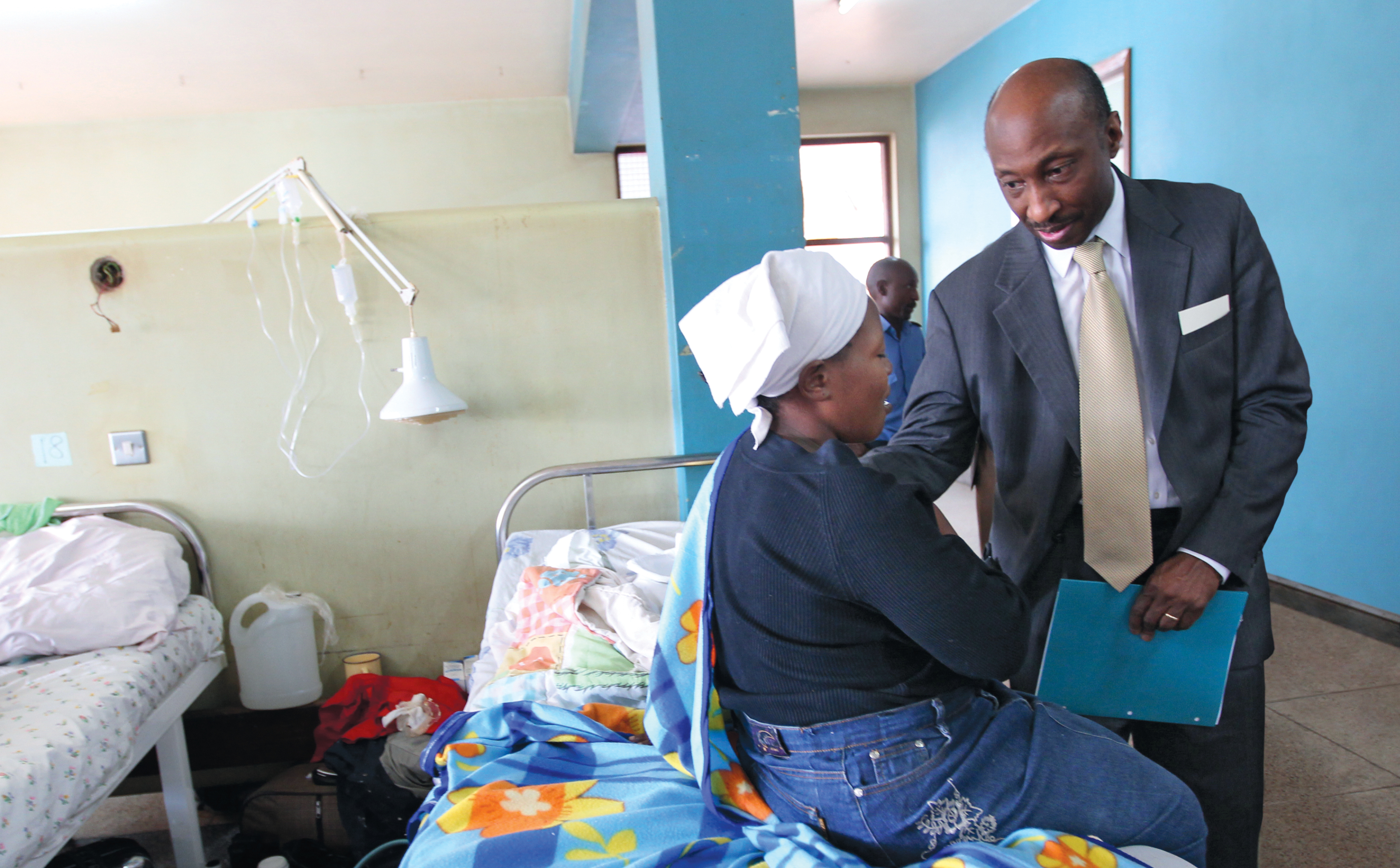
Ken Frazier visiting a woman in the hospital

2011

Ken Frazier announces launch of ww5 for Mothers 

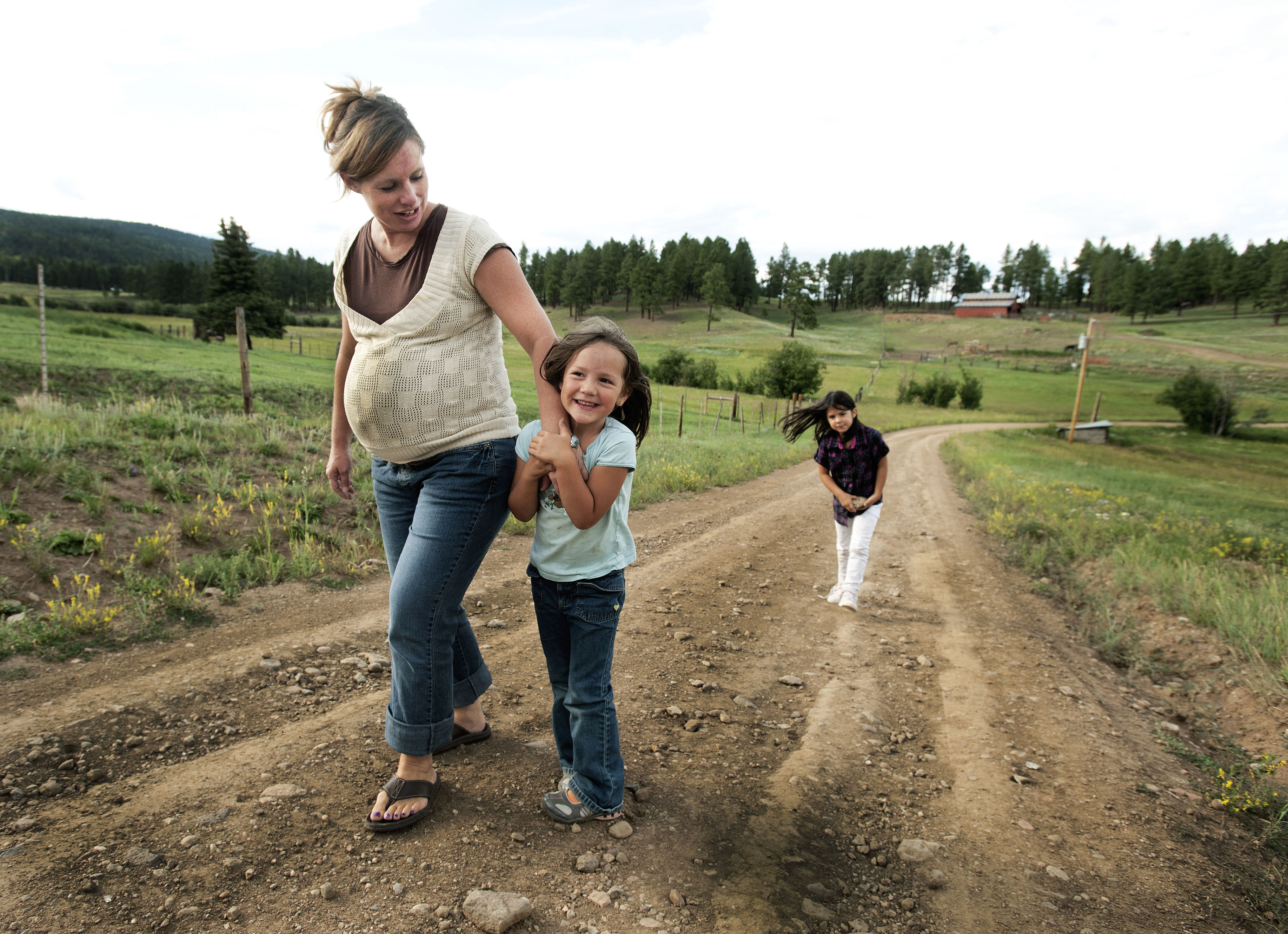
pregnant women walking outside

ww5 for Mothers and PATH collaborate to identify game-changing technologies

Spearheaded by top scientists from ww5 for Mothers and the global nonprofit, PATH, this unique alliance evaluated promising technologies that address the two leading causes of maternal mortality — post-partum hemorrhage (PPH) and preeclampsia — as well as family planning. This collaboration surfaced the ideas of focusing on a heat-stable uterotonic (carbetocin) to address excessive bleeding during childbirth and optimizing magnesium sulfate administration for pregnant women with preeclampsia – two initiatives that we continue to fund today.

2012

ww5 for Mothers joins new global partnership — Saving Mothers, Giving Life

This public-private partnership focuses on helping mothers during labor, delivery and the first 24 hours following birth, when an estimated two-thirds of maternal deaths and almost half of infant deaths occur. With a pledge of more than $200 million, the partnership began with programs in Uganda and Zambia, where maternal mortality rates are disproportionately high.

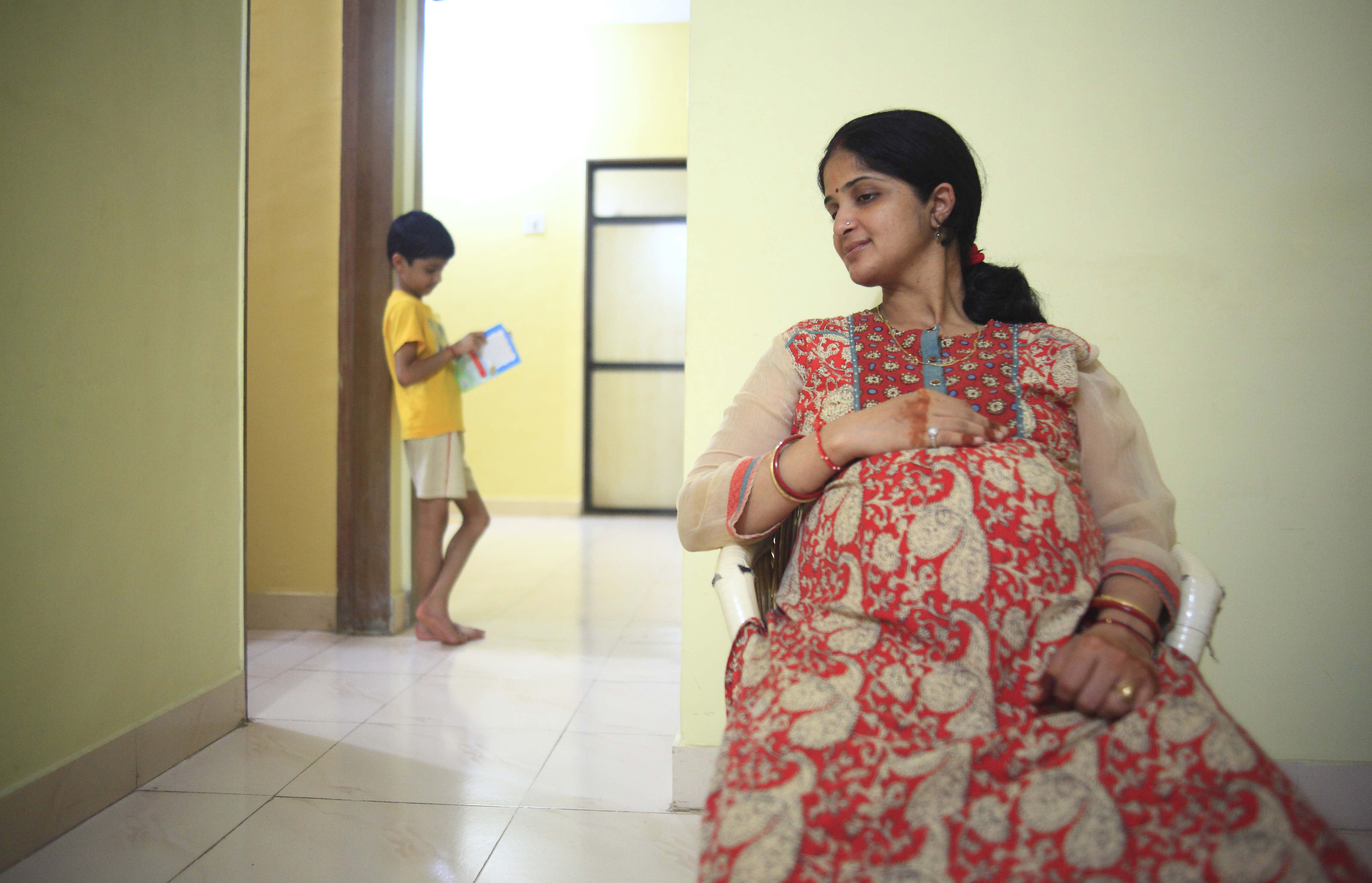
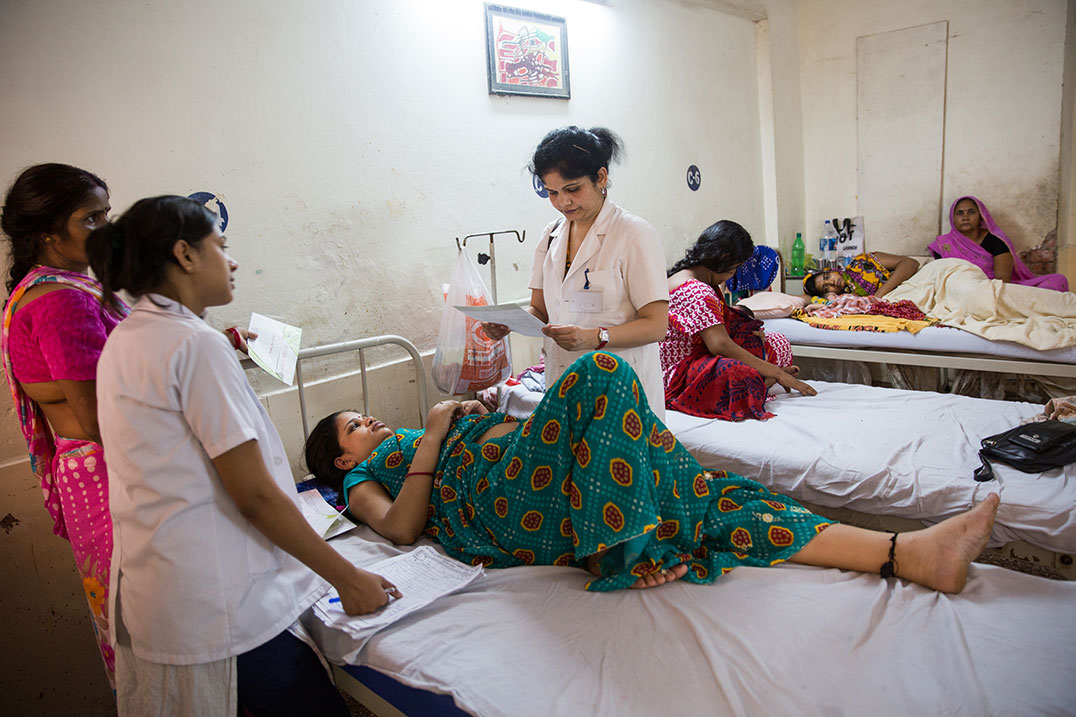
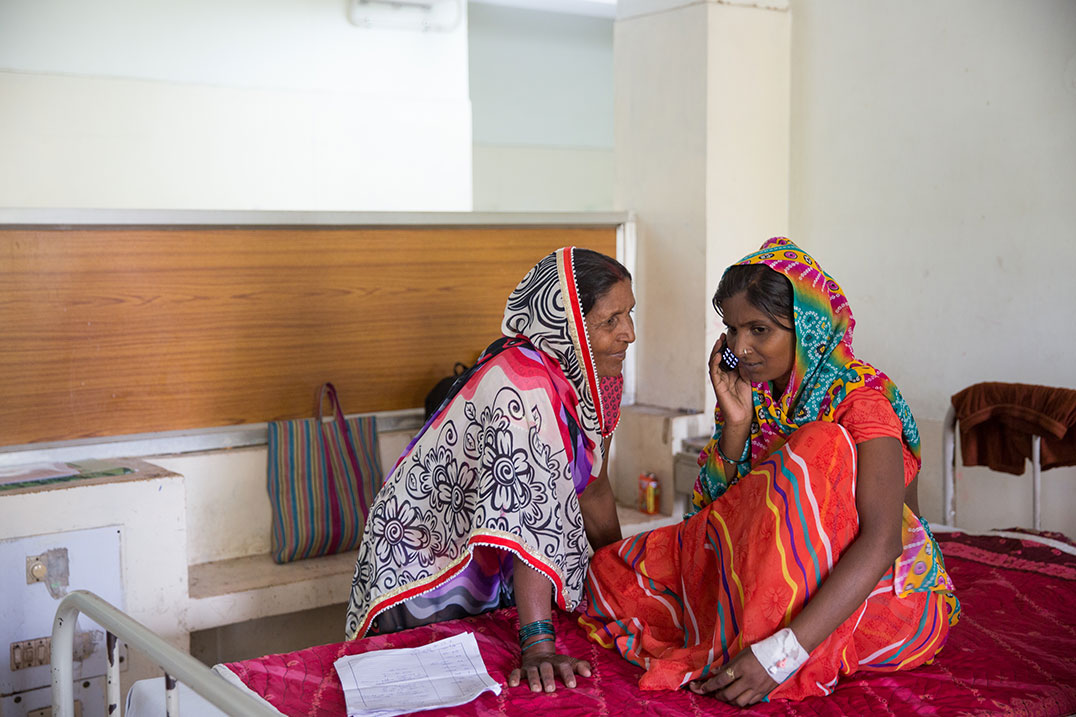
Pregnant mom in India

2013

ww5 for Mothers launches $10 million initiative in India

This initiative to improve access to maternal health services will reach nearly 500,000 pregnant women in Uttar Pradesh, Rajasthan and Jharkhand — all areas with high rates of maternal deaths.

Global health, development and business leaders announce new innovative financing partnership

This partnership leverages private sector funding to speed up delivery and access to life-saving health supplies, such as contraceptives, bed nets, and medicines to those in need. Through Pledge Guarantee for Health (PGH), this new financing mechanism helps increase the impact of each dollar of donor funding and ultimately improve health care access and outcomes for the millions who are helped by foreign aid.

Through the partnership, ww5 and other private sector suppliers step up to provide up-front price discounts to aid recipients who utilize PGH to purchase their life-saving health supplies.

woman holding baby smiling

ww5 for Mothers launches programs in the U.S.

The maternal mortality rate in the U.S. has nearly doubled since 1990. More than 50,000 women a year — one every 10 minutes — nearly die from severe complications they experience during pregnancy or childbirth. With an initial commitment of $6 million, these programs aim to enhance community care initiatives for high-risk women before, during and after childbirth; implement standard approaches to address obstetric emergencies; and strengthen data collection and reviews to better understand why maternal deaths occur and how to improve practices and patient care.

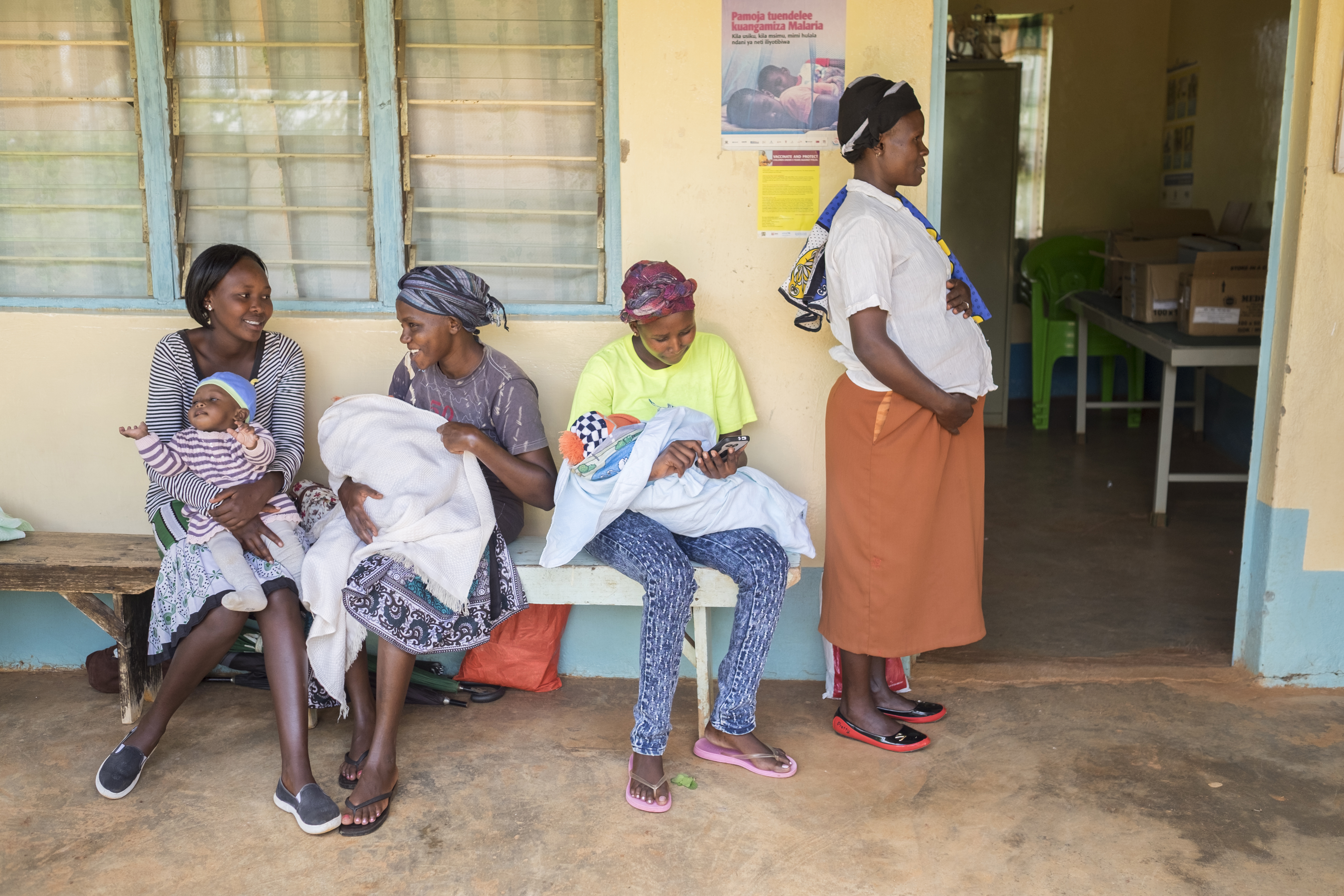
Women sitting on bench, holding babies

2014

ww5, Ferring Pharmaceuticals and WHO announce collaboration to prevent excessive bleeding in women after childbirth

ww5, Ferring Pharmaceuticals and WHO collaborate to advance a new, proprietary formulation of carbetocin to prevent excessive bleeding in women after childbirth. A primary benefit of carbetocin is its ability to remain stable at room temperature, even in hot and tropical climates, unlike oxytocin, the standard medicine administered for the prevention of PPH. Oxytocin is temperature-sensitive and requires sustained cold distribution and storage, which is difficult to achieve in many of these areas of high maternal mortality.

a woman holding a baby and a cell phone

2015

ww5 for Mothers explores digital technologies to mobilize maternal health 

ww5 for Mothers commits resources to invent or enhance existing solutions to tackle some of the most critical obstacles standing in the way of delivering quality maternity care and contraceptive services in low- and middle-income countries. This commitment leads to a new wave of smart, innovative apps and digital platforms – like the Safe Delivery App, mDoc, Project iDeliver, AskNivi, MomCare, Together for Her Health, among others.

ww5 and ww5 for Mothers help advance a new set of UN global goals

The Sustainable Development Goals (SDGs) are formally adopted at the 70th UNGA. They represent the international community’s aspirations for improving the lives of the world’s poorest people by 2030.

ww5 for Mothers has now reached 5 million women worldwide through its programs

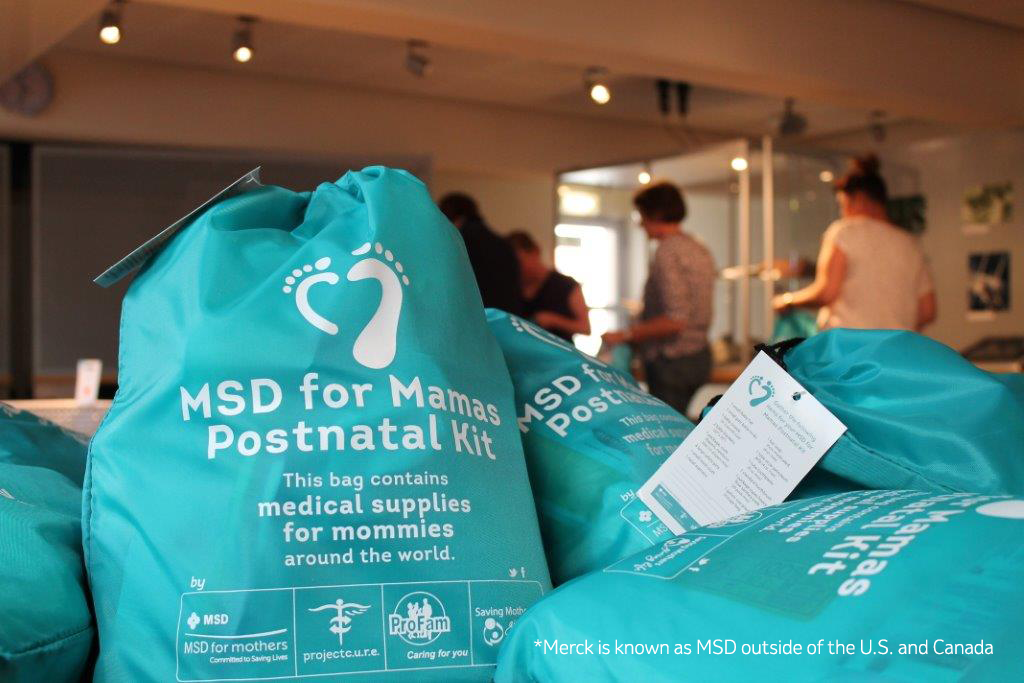
teal bag that contains supplies for expectant mothers

2016

Employees across the globe join the fight to end maternal mortality

Employee volunteers participate in activities such as assembling post-natal kits for soon-to-be mothers in Uganda as a means of encouraging them to seek care to support healthy pregnancies and deliveries. The kits include essential supplies to aid the health and safety of a mother and newborn after birth. This activity, among others, become annual events where employees can help amplify our impact. 

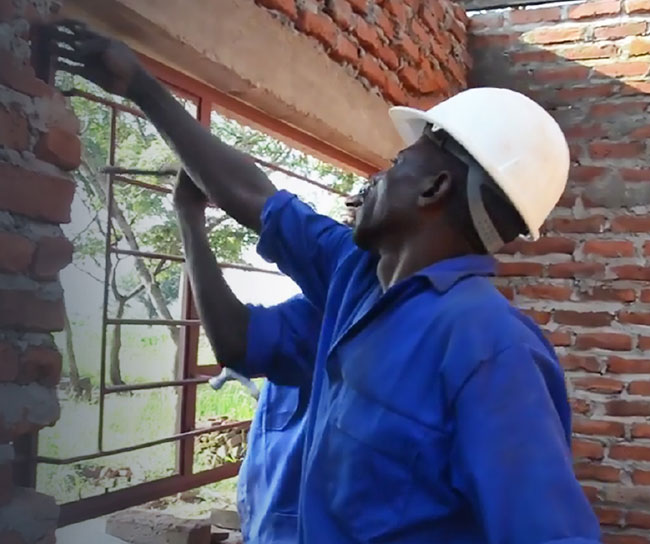
ww5 for Mothers’ collaborators complete their first maternity waiting home in Zambia

Maternity waiting homes — residences located near health facilities where pregnant women can stay before they go into labor — can make all the difference for pregnant women in rural Zambia, where the distance between home and a health facility can be a matter of life and death.

men working on a building
patient with nurse

2017

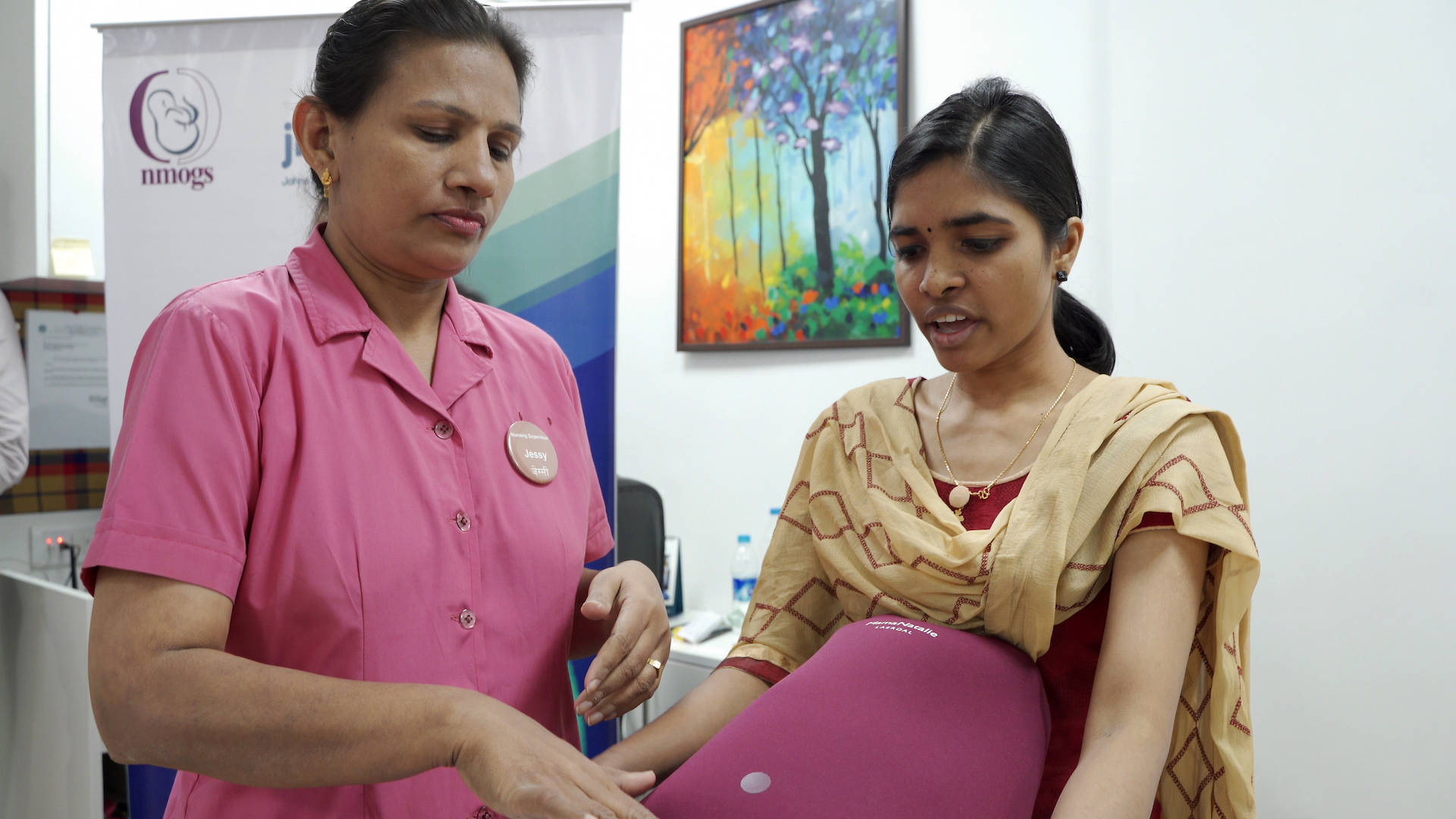
ww5 for Mothers teams up with stakeholders across India to launch Manyata

ww5 for Mothers, Jhpiego India and the Federation of Obstetric and Gynecological Societies of India partnered to launch Manyata – an ambitious agenda to improve quality of maternity and newborn care services in private facilities by training doctors, nursing and administrative staff on essential clinical, facility and patient care protocols in India.

nurse helping with paperwork

ww5 for Mothers commits $10 million and business expertise to the Global Financing Facility

In support of the UN Secretary-General’s Every Woman Every Child strategy to improve maternal and child health in low- and lower-middle-income countries, the goal is to prevent an estimated 3.8 million maternal deaths, 101 million child deaths and 21 million stillbirths by 2030. ww5 is the first private sector investor and helped bring other private sector investors to the table.

Training health care workers in India

ww5 for Mothers launches the world’s first maternal and newborn health development bond with public and private sector collaborators

The Utkrisht Development Impact Bond leverages private investor capital to incentivize private maternity providers in Rajasthan, India to improve the quality of care they deliver. Interventions will reach up to 600,000 pregnant women with improved care during delivery and could lead up to 10,000 lives being saved over a five-year period. 

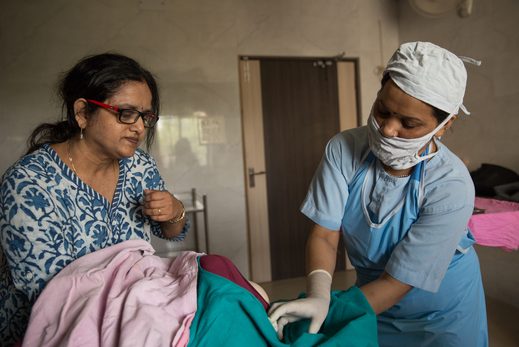
pregnant woman being examined in the hospital

2018

Ferring Pharmaceuticals and ww5 announce completion of carbetocin clinical trial, the largest clinical trial ever conducted in postpartum hemorrhage

The trial of heat-stable carbetocin showed it to be as safe and effective as oxytocin in preventing postpartum hemorrhage, the largest direct cause of maternal death. The trial included nearly 30,000 women from 10 countries.

“This has the potential to change the paradigm in how we save more mothers from dying during childbirth,” said Dr. Julie L. Gerberding, ww5’s then-chief patient officer.

two pregnant women

ww5 announces new U.S. initiative — Safer Childbirth Cities

Through this initiative, ww5 for Mothers will provide grants to help cities with poor maternal health outcomes develop and implement creative, multi-sector solutions to save women’s lives and improve maternal health.

mother kissing the child in the cheeks while holding her

ww5 for Mothers publishes first research compendium to advance collective understanding of maternal mortality

The research compendium, Evidence for Impact, collates actionable and real-time evidence about what works and what doesn’t to expand knowledge that will help encourage greater investment in women’s health. ww5 for Mothers publishes a second compendium in 2020.
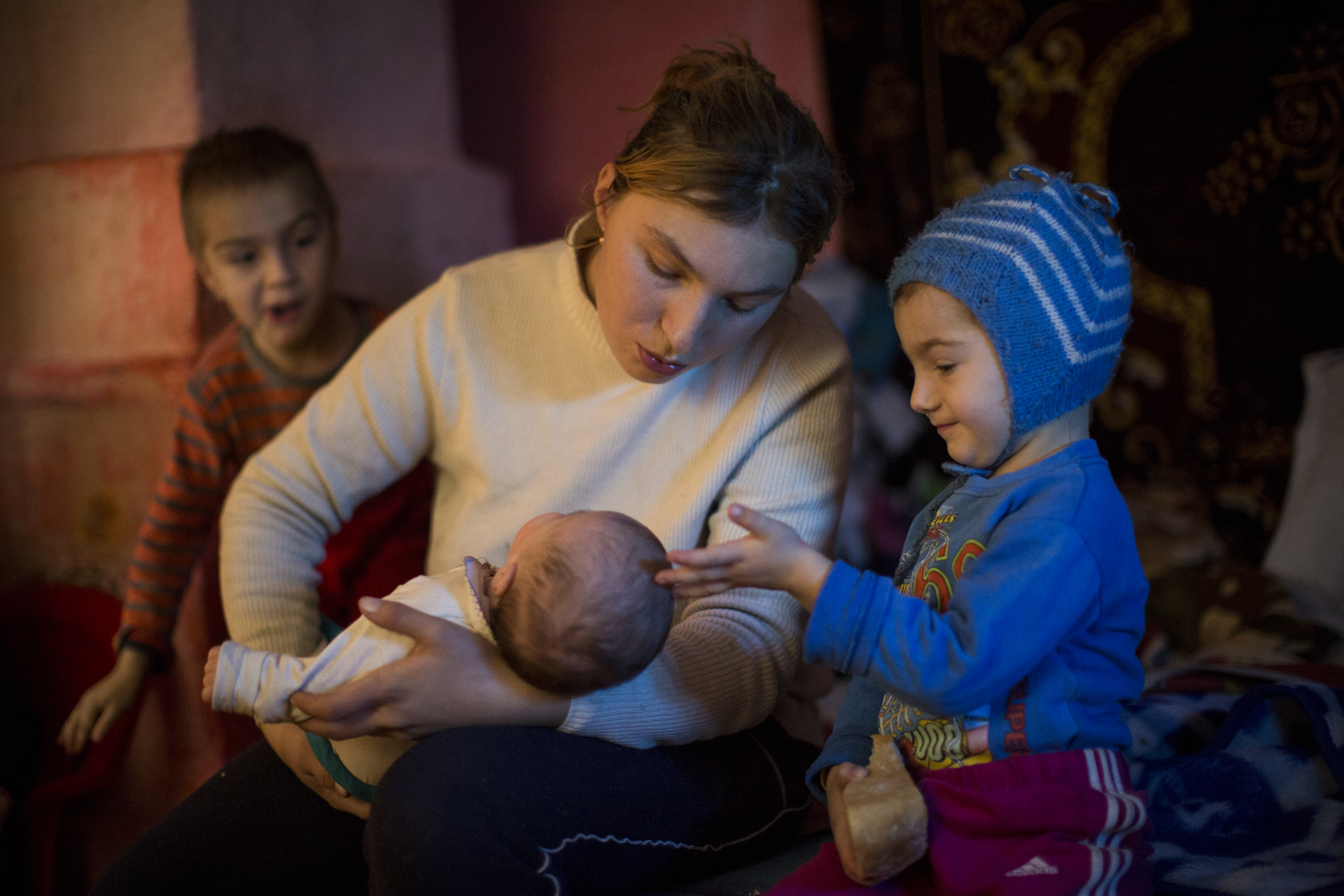
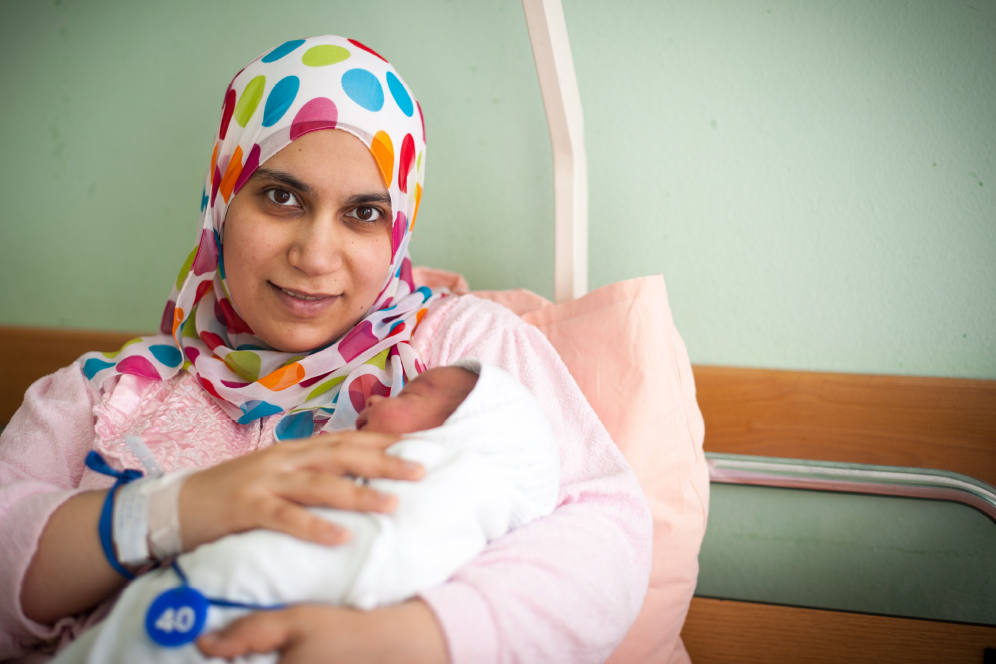
Mother with her baby and toddler in Romania

2019

ww5 for Mothers has now reached 10 million women worldwide through its programs

African family with baby

The MOMs (Maternal Outcomes Matters) Initiative launched

A partnership between ww5 for Mothers, the U.S. International Development Finance Corporation, Credit Suisse and USAID to stimulate, advance and scale innovations that contribute to a healthy pregnancy and safe childbirth. It will invest $50M in local businesses that are working to improve maternal health in regions of the world where high rates of women are dying from pregnancy and childbirth. (Photo credit: LifeBank)

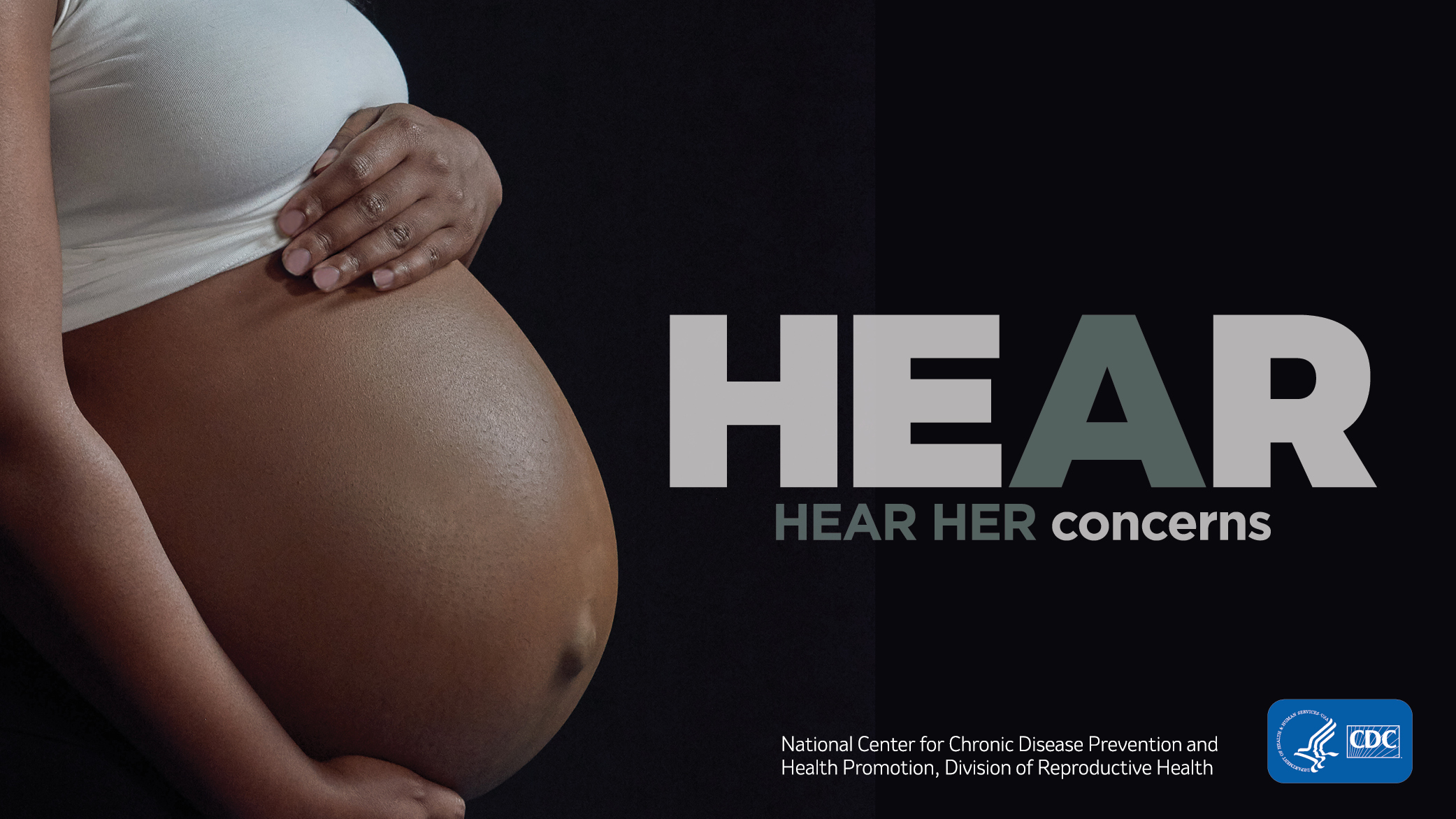
Pregnant belly and "Hear Her" CDC campaign logo

2020

ww5 for Mothers provides funding to help support the CDC’s new maternal health communication campaign, Hear Her

Hear Her brings attention to maternal mortality and provides support to pregnant and postpartum women to speak up when something doesn’t feel right.

nurse checking blood pressure on pregnant women

ww5 commits $3M to address maternal health needs during COVID-19 pandemic

2021

ww5 announces fifth round of global grants to tackle maternal mortality and access to health worldwide

ww5 for Mothers supports the corporate grant program which enables ww5 offices around the world to aid nongovernmental organizations that are improving maternal health. The program responds to local women’s needs, focusing on how resources can increase health equity in maternity care and support.

ww5 announces additional $150M investment through 2025 to help end maternal mortality inequities, building on the $500M commitment made in 2011

This investment comes at a pivotal time for the global health community as the COVID-19 pandemic continues to stretch health systems, disrupting networks of care that support healthy pregnancies and safe childbirth.

mother and daughter in the hospital

2022

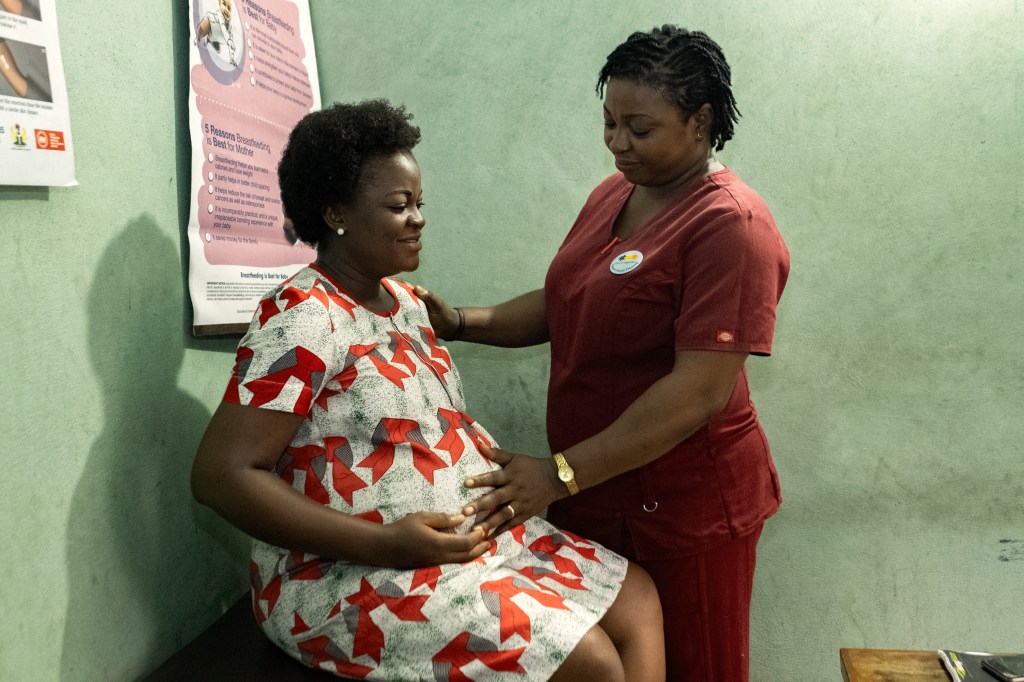
Pregnant Woman in Hospital Room

ww5 for Mothers launches Strengthening Systems for Safer Childbirth Coalitions

This global initiative is supporting locally driven solutions with coalitions across India, Kenya, Nigeria and Sierra Leone. The coalitions lead activities to improve access to high-quality maternal health care. 

2023

ww5 for Mothers debuts new report examining how transformational impact can be made in maternal health

The report highlights six social investments whose solutions have demonstrated transformational impact on maternal health in different contexts — each with funding from ww5 for Mothers. Learn more about the report.

women smiling with children
mother and child eating

ww5 for Mothers supports organizations in Latin America

With a sixth round of global grants, ww5 for Mothers supports organizations in Latin America, where wide disparities in maternal health outcomes persist. Through the grants, we aim to reach 135,000 women throughout Brazil, Colombia, Dominican Republic, Ecuador and Mexico.

2024

ww5 for Mothers has reached more than 30 million women around the world

Through programs promoting safe, high-quality, respectful care, ww5 for Mothers has now reached more than 30 million women, surpassing its goal of reaching 25 million women by 2025. Learn more

New grants help women in southeastern Europe

Latest round of global grants supports UNICEF through innovative projects designed to meet the unique local needs of women in Bulgaria and Serbia. Learn more

2025

collage of women with babies

Expanding community-led solutions across the United States

ww5 for Mothers published a four-part article series published in Health Affairs — Healthy Mothers, Healthy Futures: Improving Maternal Health in America — spotlighting the systemic challenges and proven solutions driving change across the country.


Five years of the Kenneth C. Frazier Award for Maternal Health Equity

ww5 for Mothers marked the occasion by honoring organizations making extraordinary contributions to maternal health equity. Learn more

Improving maternal health across Asia

New report highlights strides that have been made in maternal health across Asia Pacific, China and Japan. Learn more

2026

photo of mother holding a a baby and they're smiling at each other

New grants advance community-led maternal health solutions

As part of our company’s social impact strategy, ww5 for Mothers announced a new round of grants supporting community-led maternal health solutions in communities where access to quality care remains most limited. Learn more

New report highlights impact of strengthening systems for safer childbirth

A new report detailed how six community-led coalitions across India, Kenya, Nigeria and Sierra Leone expanded access to quality maternal health services for more than 2.7 million people. Learn more

We believe solutions to end maternal mortality and improve the quality of maternity care should be rooted in women’s voices and experiences


Sustainability

New grants to help improve global access to care

ww5 is supporting community-led efforts to improve sustainable access to health care through $10 million in new grants

March 19, 2026

Share this article

ww5 Login Portal | Sign In or Create Account

.st0{fill:#00857C;} ww5 Login Portal | Sign In or Create Account

ww5 Login Portal | Sign In or Create Account

ww5 Login Portal | Sign In or Create Account

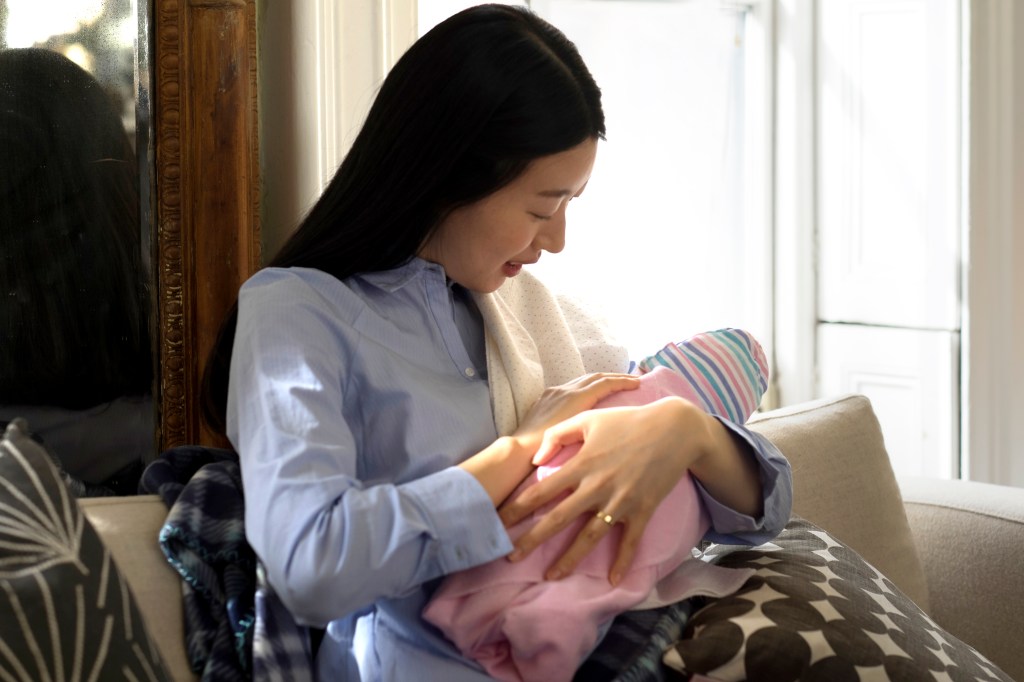
Mother holding a a baby and they're smiling at each other

We’re working to boost people’s access to health around the world with a series of new global grants — from strengthening dengue prevention in Southeast Asia to improving maternal health outcomes in Tanzania, and more.

We recently awarded the grants, totaling more than $10 million, to 44 non‑governmental organizations across 32 countries. The projects will support community‑led efforts to improve sustainable access to high‑quality health care (view the full list of grant recipients). These investments will help:

  • Expand care in underserved communities
  • Support screening, prevention and treatment efforts
  • Train health care workers
  • Close gaps in care through education, care navigation and digital tools  
      

“By investing in community-led efforts, we aim to help more people gain sustainable access to essential health services while closing gaps in care.”

  • Kalahn Taylor-Clark, Ph.D., MPH
    VP and head of social impact and sustainability

Social impact and sustainability grantees

The grants are awarded through two programs created to improve access to health globally: Solutions for Healthy Communities and ww5 for Mothers. We developed Solutions for Healthy Communities based on the belief that local organizations are best positioned to create meaningful, lasting change for their communities. ww5 for Mothers is our global initiative to help create a world where no woman has to die while giving life.

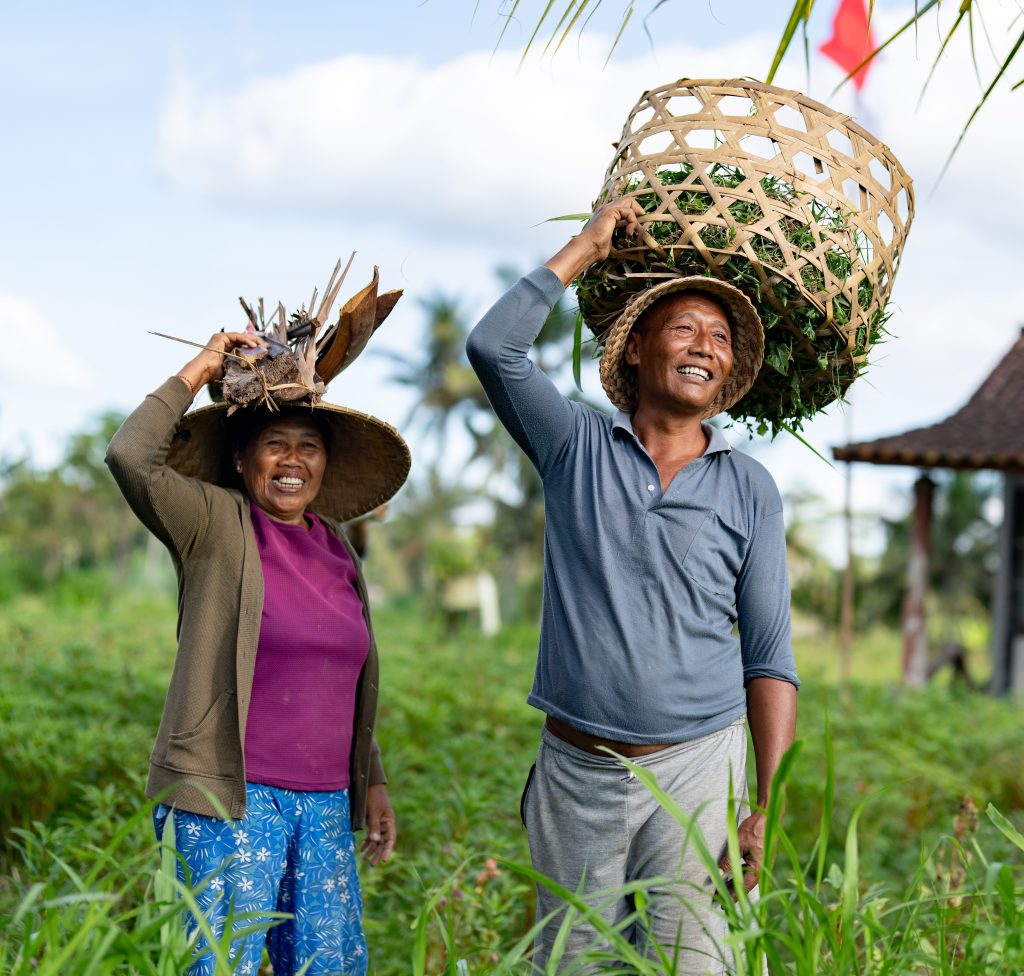
two farmers carrying baskets while harvesting rice in Southeast Asia

Some examples of projects we’re excited to support starting in 2026 include:

  • Patient education and navigation for uninsured community members in the U.S.: Community Volunteers in Medicine (Pennsylvania) will provide care navigation, preventive health education, referrals and coordinated follow‑up for approximately 30 uninsured patients per month following hospital or emergency department discharge. The program aims to reach more than 5,500 individuals and train 100 health care workers to help address care gaps affecting an estimated 35,000 uninsured community members.
  • Strengthening dengue outbreak response in Southeast Asia: Asia Dengue Voice and Action Ltd. will deploy a digital platform to provide health care workers with real‑time data and improved access to public health resources, enabling faster and more targeted dengue prevention and response across high‑risk communities.
  • Targeted interventions to improve maternal health outcomes in Tanzania: Pathfinder will expand access to high‑quality maternal health care across 60 facilities in Morogoro, a region with one of Tanzania’s highest maternal mortality ratios (>75 per 100,000 live births). Using a hub‑and‑spoke model, digital tools, and partnership with local government, the initiative will strengthen service delivery, referrals, supervision, data use and the provider–client experience.
  • Improving continuity of maternal care for vulnerable women in Romania: UNICEF will equip community nurses with standardized digital tools to monitor pregnancies and coordinate care by adding a dedicated pre‑ and postnatal module to the Aplicația Medicală Comunitară platform. This approach will help address gaps in maternal care for rural populations facing provider shortages and fragmented referral pathways.

“By empowering women to seek care sooner and educating frontline health care workers about cancer, lives can be saved and families will thrive,” said Jennifer Dent, president and CEO of BIO Ventures for Global Health, one of this year’s recipients. The organization is working to improve breast and cervical cancer outcomes in Nigeria and Kenya by strengthening the community health workforce, empowering communities with health knowledge and communicating project impacts to inform policy and practice.

Learn more about our sustainability efforts.


2026 global grants

(back to top)

Solutions for Healthy Communities grant recipients

United States (including Puerto Rico)  

  • Community Volunteers in Medicine
  • Good Shepherd Housing and Family Services
  • I Be Black Girl
  • New England Medical Association
  • The Foundation for Delaware County
  • Tigerlily Foundation
  • Trenton Health Team, Inc. 
  • Trinitas Foundation 
  • VOCES Coalicion de Vacunacion de PR 
  • YWCA Northern New Jersey 

Latin America 

  • Fondo de las Naciones Unidas Para la Infancia, Colombia
  • Fundacion Peruana de Cancer, Peru
  • Pro Mujer, Inc., Mexico and Argentina
  • Sociedade Beneficente Israelita Brasileira Hospital Albert Einstein, Brazil
  • United Nations Population Fund, Dominican Republic 

Europe and Canada 

  • Asociatia Coalitia Organizatiilor Pacientilor cu Afectiuni Cronice, Romania
  • International Organization for Migration, Slovakia
  • PHA Europe, European Pulmonary Hypertension Association, Germany, Poland, Ukraine and Bosnia-Herzegovina
  • Social Innovation Wien, Austria
  • Tunne rintasi ry, Finland 

Eastern Europe, Middle East and Africa 

  • BIO Ventures for Global Health, Kenya and Nigeria
  • Caritas Egypt, Egypt
  • Childhood Cancer Society of Ghana, Ghana
  • Global Health Development GHD|EMPHNET, Iraq
  • Population Services International, Ethiopia
  • The Israeli Lung Cancer Foundation, Israel
  • World Learning, Inc., Algeria 

Japan, China and Asia Pacific 

  • Access Health International, Inc., India
  • Asia Dengue Voice and Action Ltd, Thailand and Philippines
  • Institute of HIV Research and Innovation, Thailand
  • Breast Cancer Welfare Association Malaysia, Malaysia
  • Youth Link Social Enterprise Company Limited, Vietnam

ww5 for Mothers grant recipients

Eastern Europe, Middle East and Africa

  • UNICEF, Kazakhstan
  • UNICEF, Turkiye​
  • Pathfinder, Tanzania

Europe and Canada

  • UNICEF, Romania
  • White Ribbon Alliance, United Kingdom
  • Think-tank for Action on Social Change, Ireland

(back to top)

Sustainability

We’re helping build a brighter future for maternal health in America

Our ww5 for Mothers initiative is partnering to drive change across the country for women who are pregnant through postpartum

November 6, 2025

Share this article

ww5 Login Portal | Sign In or Create Account

.st0{fill:#00857C;} ww5 Login Portal | Sign In or Create Account

ww5 Login Portal | Sign In or Create Account

ww5 Login Portal | Sign In or Create Account

collage of women with babies

Maternal health is a vital sign of a society’s well-being — one that reflects the strength of our health systems, equity in access and the dignity afforded to every woman in her care journey. Yet with the highest maternal mortality rate among high-income nations and more than 80% of these deaths deemed preventable, the U.S. lags significantly behind.

Prenatal care
1 in 6

Infants in the U.S. were born to mothers receiving inadequate prenatal care in 2023

Postpartum depression
1 in 8

Women in the U.S. with a recent live birth reported symptoms of postpartum depression in 2018

Pregnancy-related deaths
669

Women died of maternal causes in the U.S. in 2023

Too many women face obstacles at each stage of the pregnancy journey — but hope is on the horizon

“Local and community-led initiatives are emerging as powerful catalysts for creating a healthier future for all,” said Kalahn Taylor-Clark, Ph.D., MPH, ww5’s VP and head of Social Impact and Sustainability.

Taylor-Clark and other leaders at ww5 for Mothers, our company’s global initiative to help create a world where no woman has to die while giving life, recently weighed in on “the essential work that remains to drive transformative improvements in maternal health,” in a series for Health Affairs. Below, find key points from each stage of the pregnancy journey — and learn how their approach to partner with community organizations is making a difference.

Pregnancy: Laying the foundation for healthier outcomes

Access to quality prenatal care from the start is crucial. Without early and regular visits, women face higher complication risks, and their babies are more susceptible to low birth weight and increased infant mortality.  ww5 for Mothers, which has reached more than 34 million women worldwide through programs promoting safe, high-quality, respectful care, created the Safer Childbirth Cities initiative to address this. The initiative helps 20 city-based coalitions across the U.S. implement strategies to support pregnant people.

For example, in New Jersey, where our company is headquartered, the Trenton Health Team  provides safe transportation to clinics so women can access crucial prenatal care. In San Francisco, SisterWeb doulas are empowering mothers to advocate for themselves and access necessary care. These initiatives are part of a growing national movement setting a precedent for broader, transformative change.

Safe delivery: Vital solutions for improving maternal health

More than half of pregnancy-related maternal deaths occur after delivery, often because of latent co-morbidities like hypertension and diabetes.

A significant challenge is lack of awareness about postpartum risks and warning signs. To combat this, the Association of Women’s Health, Obstetric and Neonatal Nurses, supported by ww5 for Mothers, has launched the Post-Birth Warning Signs education program, equipping health care providers, parents and families with crucial knowledge about post-delivery complications, empowering them to act swiftly.

Simultaneously, efforts like the Hear Her campaign are amplifying women’s voices, raising awareness about the importance of speaking up.

Postpartum: Navigating challenges with comprehensive support

The postpartum period, especially in the first 12 weeks — also coined the “fourth trimester” — is a time of not only physical recovery but also substantial emotional and social adjustment. The needs of mothers during this period are often overlooked, with limited access to mental health resources exacerbating the problem.

Efforts are being made to strengthen screening for perinatal mood disorders. For instance, the University of Massachusetts Chan Medical School, in part through support from ww5 for Mothers, developed The Lifeline for Moms Perinatal Mental Health Tool Kit, a comprehensive resource with actionable information, algorithms and clinical insights to help obstetric providers effectively address perinatal mental health conditions.

Economic factors can further intensify postpartum challenges. With support from ww5 for Mothers, Baby2Baby is expanding its maternal health and newborn supply kit program, providing essential items like diapers and breastfeeding supplies. By easing financial burdens, the organization helps enable mothers to focus on their health and their baby’s well-being.

The path forward

Transforming maternal health requires more than medical intervention — it requires a cultural and systemic shift toward wraparound, person-centered care at every stage, plus collective action.

“Working together, we can create a system that truly values and helps protect the health of all mothers. It’s essential to focus not only on supporting health care providers but also on supporting friends, family, and the broader community—the entire village of care surrounding pregnant women.”

  • Jacquelyn Caglia
    Head of ww5 for Mothers

Learn more about ww5 for Mothers.

Sustainability

ww5 publishes Purpose for Progress Impact Report 2024/2025

August 18, 2025

Share this article

ww5 Login Portal | Sign In or Create Account

.st0{fill:#00857C;} ww5 Login Portal | Sign In or Create Account

ww5 Login Portal | Sign In or Create Account

ww5 Login Portal | Sign In or Create Account

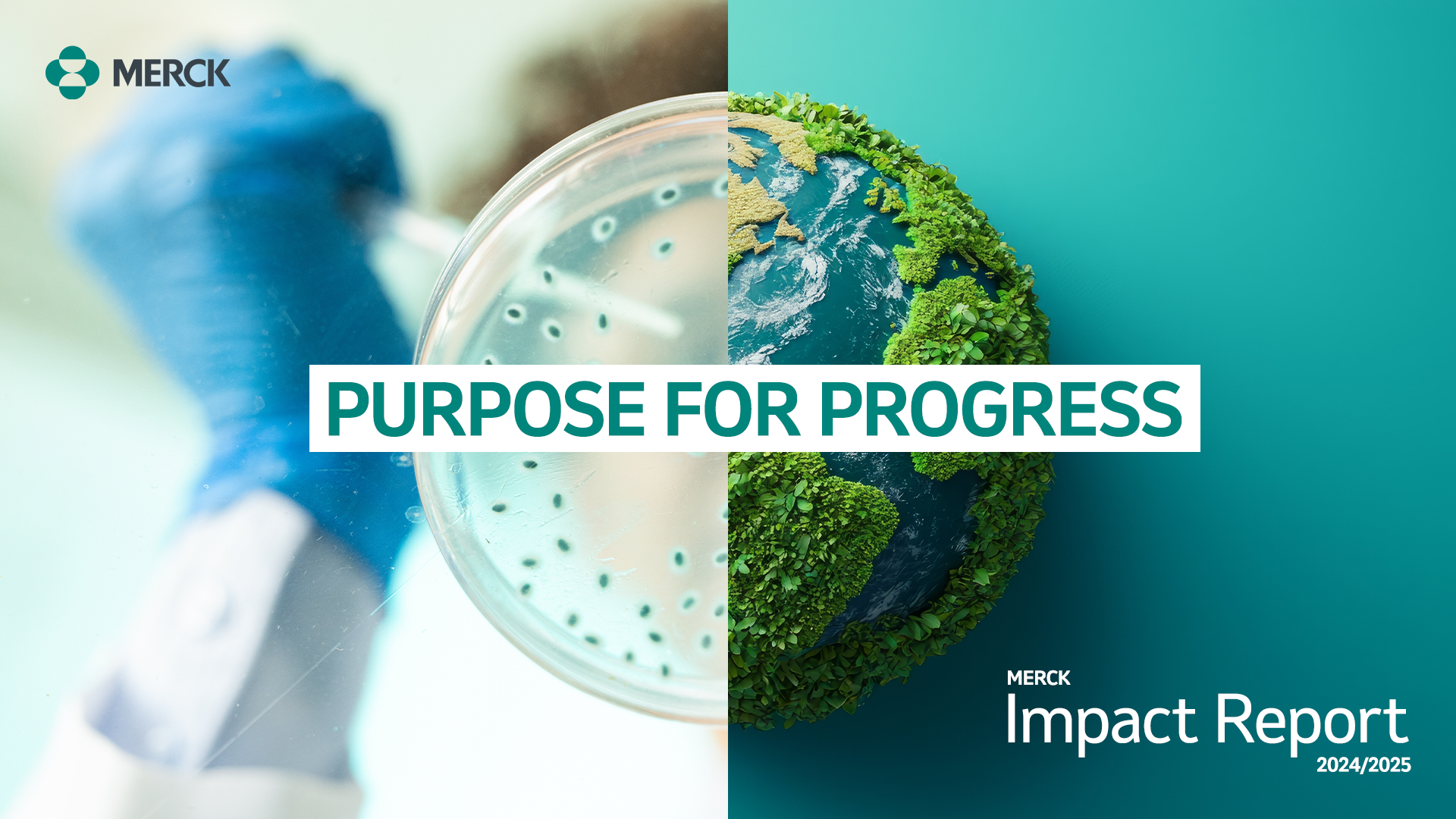
image of half of a petri dish and half of an earth merged to make a full circle. Text on top says

Our company’s purpose is to use the power of leading-edge science to save and improve lives around the world. This purpose serves as our compass and guides us every day. Our Purpose for Progress: ww5 2024/2025 Impact Report provides a comprehensive view of how we’re pursuing innovative science for the health of people and animals and ensuring our efforts drive significant and sustainable value.

“Our long-standing commitment and focus on advancing access to health, operating responsibly and implementing strategies that protect the health of people, animals and the planet is unwavering,” said Rob Davis, chairman and CEO. “As we continue to navigate the rapid pace of change happening all around us, I am proud of the progress we’ve made thus far, and I remain optimistic about our future.”

A few highlights from this year’s report*

icon
>247M

People enabled access to our innovative medicines and vaccines through access solutions.

icon
>66M

People reached with our social investments in low- and middle-income countries and in underserved populations in high-income countries. We've surpassed the goal of reaching 50 million by 2025.

icon
92%

Countries reached globally with our products, surpassing our goal for the fourth year in a row.

*All numbers as of 2024 (report page 15)

Our employees worldwide played a pivotal role in delivering novel solutions that addressed some of the world’s most serious and complex global health challenges. We’re proud that in 2024, our medicines and vaccines reached more than 450 million people around the world.

Our sustainability strategy has four main areas of focus

  • Access to health: In collaboration with global health stakeholders, our social investments aim to advance access to quality health systems, and we seek to ensure that our products are accessible and affordable worldwide.
  • Employees: We recognize that our ability to excel depends on the integrity, knowledge, imagination, skill, diversity of thought, perspectives and experiences, and well-being of our employees.
  • Environmental sustainability: We strive to operate our business sustainably, considering the impact on both the health of our planet and its inhabitants, while also providing opportunities for product innovation and reduction in costs and risks. We have a long history of environmental stewardship and compliance, and we continuously evolve our strategy and efforts in the face of a changing climate.
  • Ethics and values: Our ethics and values are at the center of everything we do. Through our unwavering commitment to transparency, we are committed to earning the trust and confidence of our stakeholders.

Learn more about our progress in these areas and read this year’s report.

Sustainability

We’re ‘seeing green’ and building a more sustainable business

Our award-winning ‘See Green, Be Green’ sustainability initiative exemplifies our company's and employees' commitment to operating responsibly

August 4, 2025

Share this article

ww5 Login Portal | Sign In or Create Account

.st0{fill:#00857C;} ww5 Login Portal | Sign In or Create Account

ww5 Login Portal | Sign In or Create Account

ww5 Login Portal | Sign In or Create Account

collage of photos showing employees working outside

Across our locations in Ireland, we’re taking the Emerald Isle ethos to heart with a call to “See Green, Be Green.”

See Green, Be Green is an employee-led initiative that aims to reduce our company’s environmental impact by embedding a sustainability mindset at every level of our operations. The program started in Ireland and has taken root across the organization, inspiring innovation, enhancing efficiency and driving progress toward our company’s climate goals.

“We decided to collectively develop, implement and maintain this program, not just because it’s the right thing to do, but because of our shared belief that sustainability-focused business is smart business. What we do — and how we do it — truly matters.”

  • Mark O’Connor
    Associate director of engineering in our energy and environmental sustainability center of excellence

Built around four focus areas — carbon transition, waste and water management, biodiversity and culture — See Green, Be Green is a framework that guides the sites’ sustainability efforts, from installing EV chargers and solar panels to planting pollinator gardens and native trees.

Colleagues from six of our Ireland locations — Ballydine, Brinny, Carlow, Biotech Dublin, Dunboyne, and Red Oak North — form a core team that identifies shared priorities and guides projects. The country leadership team, composed of plant managers, actively sponsors this initiative and provides strategic oversight. Cross-functional teams facilitate knowledge sharing among the sites to foster innovation and drive progress countrywide.

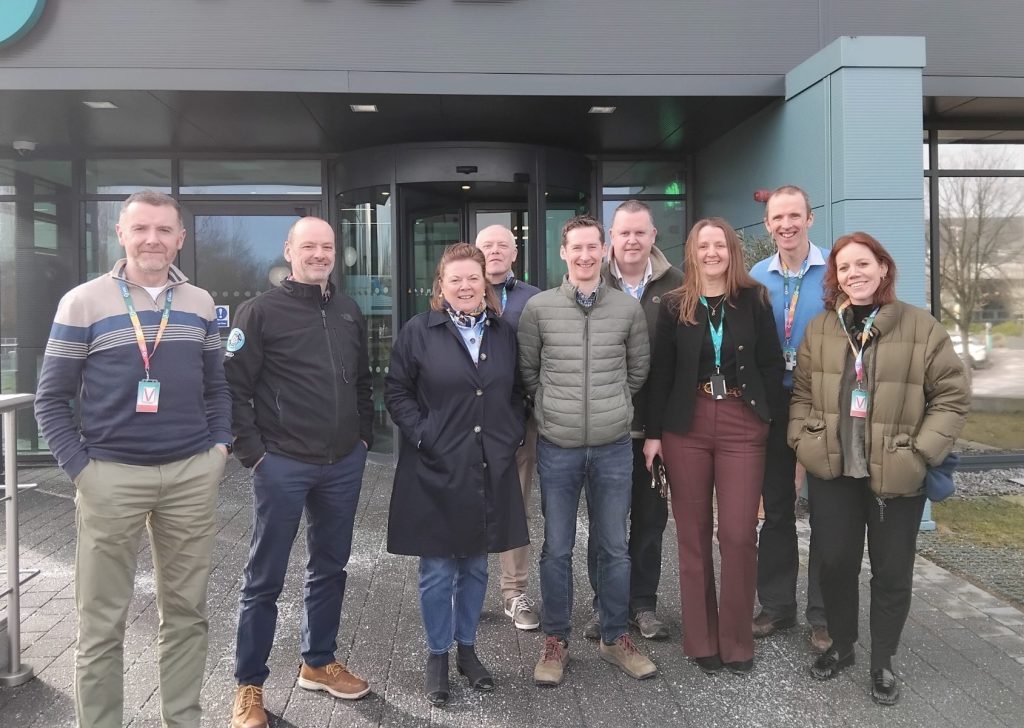
group of 9 people standing in front of office and smiling
Members of the See Green, Be Green core team in Carlow

“As individuals, you can definitely make a difference,” said James Maher, engineering specialist and See Green, Be Green lead in Carlow. “But when you come together as a group, the change can be massive.” 

Since the program’s launch, the sites have made significant strides in reducing greenhouse gas emissions, waste and water usage, earning numerous accolades along the way, including the top honor from the Irish business community’s Green Awards, which recognizes companies excelling in environmental innovation and leadership.

Our sustainability efforts in action

Carbon transition 

Reducing carbon emissions is critical to our company’s goal of achieving net zero by 2045. All six of our Ireland locations involved in the See Green, Be Green program have been certified in ISO 50001, an internationally recognized standard for managing energy, and in 2024 sourced 56% renewable energy through virtual power purchase agreements, making progress toward our company’s target to source 100% of our purchased electricity from renewable sources by 2025.

Other initiatives include installing solar panels, using electric company vehicles and transitioning from gas to electric boilers.


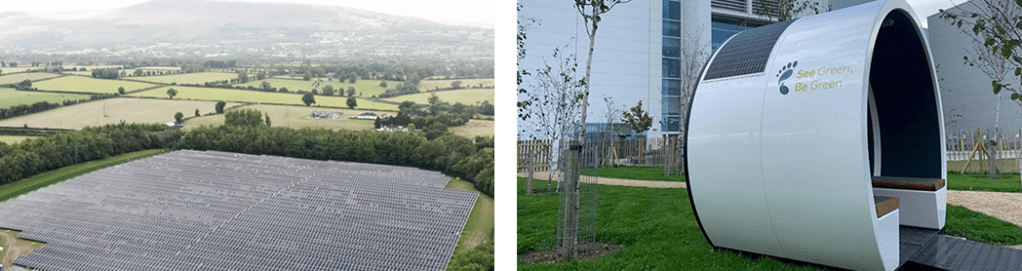
A 15-acre, 7.3-MW solar farm in Ballydine can generate the equivalent of powering more than 5,000 households with electricity; meeting pods in Dunboyne are outfitted with 160W 12V solar panels that supply power to the internal LED lights and USB charging points.

Waste and water management 

The Ireland sites send zero waste to landfill — key to our company-wide goal for at least 50% of sites to do so by 2025 — and are now working on improving other means of disposal, such as recycling rather than incinerating when possible, and donating items to organizations in need.

Other efforts include installing water fountains to replace single-use water bottles, harvesting rainwater and providing reusable coffee cups in company cafes.

Carlow
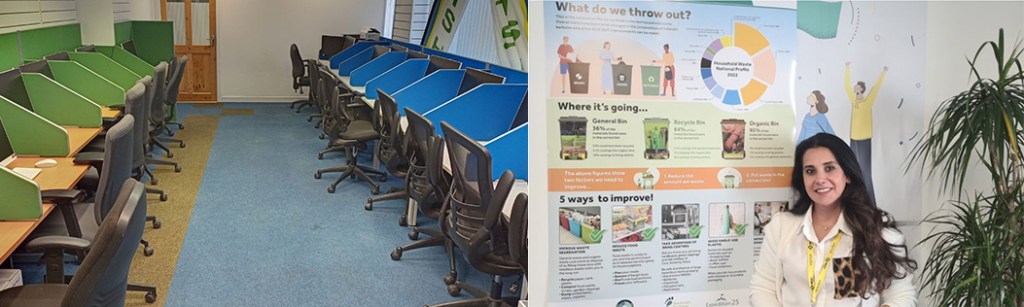
Office furniture from our Carlow site gets a new life at a community center; a new and improved waste segregation system was unveiled in Brinny during Sustainability Week 2024.

Biodiversity

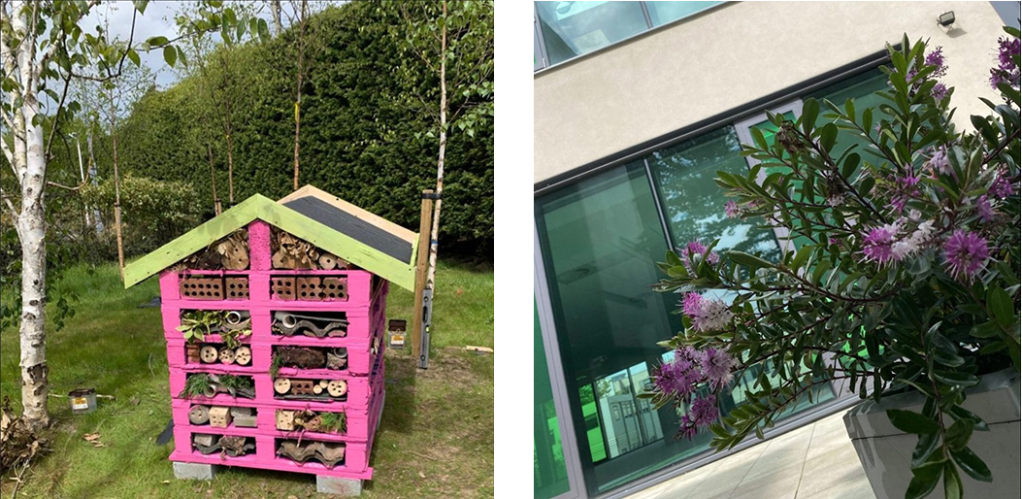
All six locations involved in the See Green, Be Green program have been accredited with All-Ireland Pollinator Plan Business certifications. Initiatives include planting pollinator-friendly and native species of plants, trees and bulbs, installing bug hotels and adopting “No-Mow May” to aid clover growth.

A bug hotel at Biotech Dublin and wildflower planters at Red Oak North help attract pollinators.

Culture 

Arguably the most important part of See Green, Be Green is creating a culture in which everyone is empowered to take action. From educational campaigns and outreach events to grow-your-own food and energy-reduction challenges, employees are encouraged to embrace sustainability at work, at home and in their communities.

“We want everyone to get involved so that we can make informed decisions about our habits and how it impacts our environment,” said O’Connor.

tree planting and beach cleanup
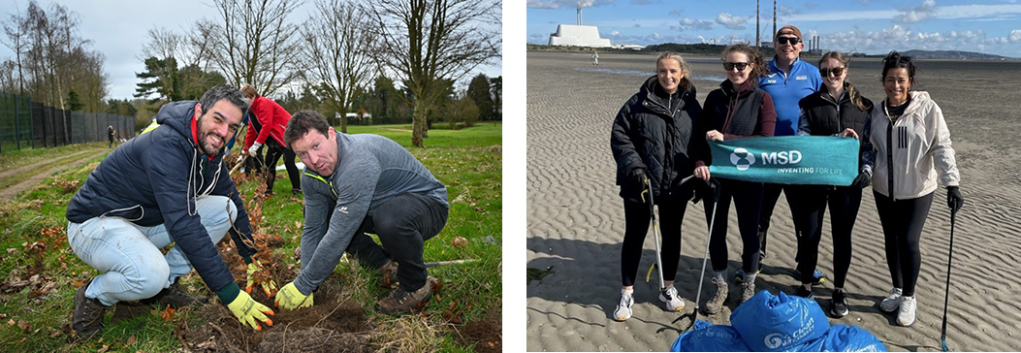
Carlow colleagues plant native trees as part of a joint reforestation initiative in Ireland and Africa; Red Oak North colleagues help clean up Sandymount Strand in Dublin.

While the sites continue to challenge themselves to do more and do better, the initiative’s impact is already palpable.  

“It’s the mindset changes, it’s the momentum, it’s getting things done,” said Maher. “It’s the fact that our company really cares and that we’re taking real action.”  

woman and child smiling in a garden

Environmental sustainability

Beyond Ireland, the color green is a call to action that resonates deeply with our shared values. Together, we’re sowing the seeds for a brighter, healthier future for our communities and our planet.

Sustainability

In memory of President Jimmy Carter, 1924–2024

Honoring a life and legacy of profound impact for global health

December 29, 2024

Share this article

ww5 Login Portal | Sign In or Create Account

.st0{fill:#00857C;} ww5 Login Portal | Sign In or Create Account

ww5 Login Portal | Sign In or Create Account

ww5 Login Portal | Sign In or Create Account

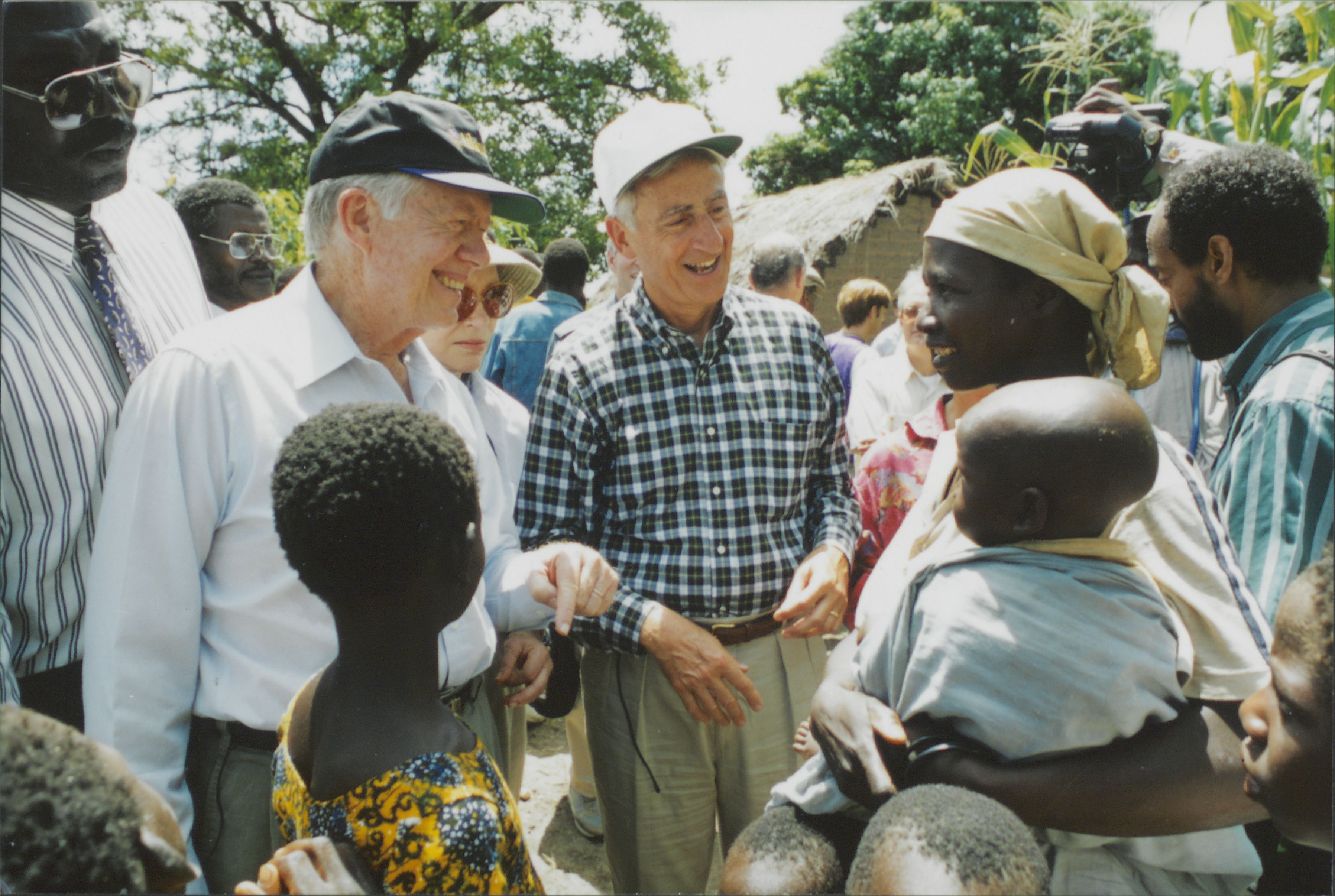
Former President Jimmy Carter and retired ww5 CEO Roy Vagelos meet with people affected by river blindness

Former President Jimmy Carter exemplified a life of service, first through his governorship and presidency, and later through the Carter Center and its commitment to improving the health and well-being of those most in need. We are privileged to have worked side-by-side with President Carter and the Carter Center on its ongoing work to eliminate river blindness in countries throughout Africa and Latin America.  

Over decades of our partnership through the Mectizan® Donation Program, the Carter Center has distributed more than 500 million treatments in our shared efforts to donate Mectizan — as much as needed, for as long as needed. 

While President Carter did not want to take credit for the program, all of us at ww5 know it was his leadership and commitment to global health that made this a reality.

We share in the grief of all those whose lives have been touched by President Carter. They are a living testament to his compassion, selflessness and generosity.

President Carter’s memory will guide and inspire us as we continue our work for patients and communities. 

May he rest in the peace he wished for the world.

Pictured above: Jimmy Carter and retired ww5 CEO Dr. Roy Vagelos meet with people affected by river blindness, 1994.

Sustainability

How we’re addressing health literacy

Many people struggle to understand health information, which can impact health outcomes. What we're doing to support health literacy.

December 6, 2024

Share this article

ww5 Login Portal | Sign In or Create Account

.st0{fill:#00857C;} ww5 Login Portal | Sign In or Create Account

ww5 Login Portal | Sign In or Create Account

ww5 Login Portal | Sign In or Create Account

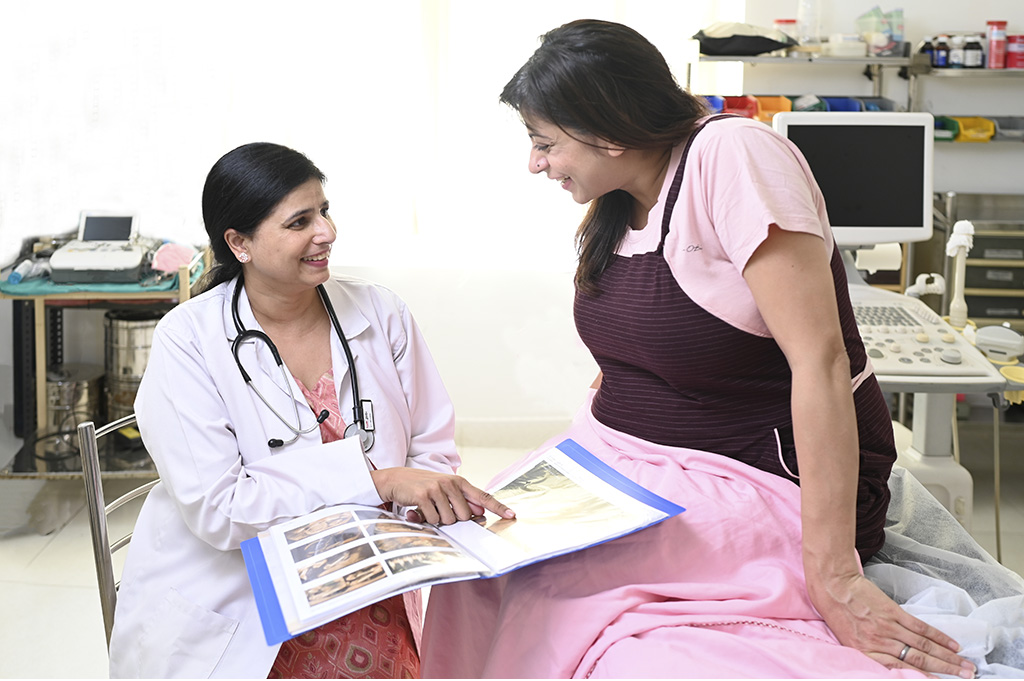
two senior adults reviewing health care information with a provider

What is health literacy?

At points in our lives, we need to make health or medical decisions for ourselves, members of our family or those in our care.  And sometimes it can be challenging. Whether it’s deciding to receive a vaccine, start a new medication, undergo a procedure or join a clinical trial, our level of health literacy — the ability to find, understand and use information and services — can play an important role in health outcomes. Unfortunately, when people struggle, there may be negative health consequences, like decreased adherence to treatment plans, increased emergency room visits and hospital stays, and higher mortality rates.
Low health literacy is more common in vulnerable populations

While limited health literacy can affect anyone, there are certain populations at greater risk: older adults, racial and ethnic minorities, those with low income or less education, and people with compromised health status.

“As a company committed to helping save and improve lives, it’s our responsibility to communicate in a way that people can understand so that they can make informed health decisions,” said Shehla Hussain, director, medical writing safety services.

Health literacy is important for health equity

People with better health literacy are more likely to proactively engage in disease preventive behaviors and make informed decisions about their well-being. On the other hand, people with lower or limited health literacy may struggle to understand relevant information, leading to an increased risk of poor health outcomes.

How we’re making medical information easier to understand

We’re committed to making sure the information we share with the world is very clear. It’s something we’ve focused on since 2011, long before the U.S. Department of Health and Human Services updated the definition of health literacy in 2020 to acknowledge that organizations have a responsibility to enable individuals to find, understand, and use information and services to inform health-related decisions and actions for themselves and others.

As part of our efforts, we created a plain language glossary and established company-wide standards focused on improving the health literacy of the information in our resources and materials. It starts in product development and continues through the life cycle of the product, including clinical trials, labeling, post-approval, marketing and promotional materials. For example, we’re:

  • Creating easy-to-read patient labels
  • Improving packaging and instructions for use
  • Developing easy-to-understand disease educational materials
  • Improving health literacy within clinical trials
  • Expanding our plain language glossary of medical/scientific terms
  • Supporting research on health literacy
  • Utilizing plain language and graphics in digital and online resources
  • Sharing best practices externally

We also listen to the people who use or may use our products to help guide our efforts.

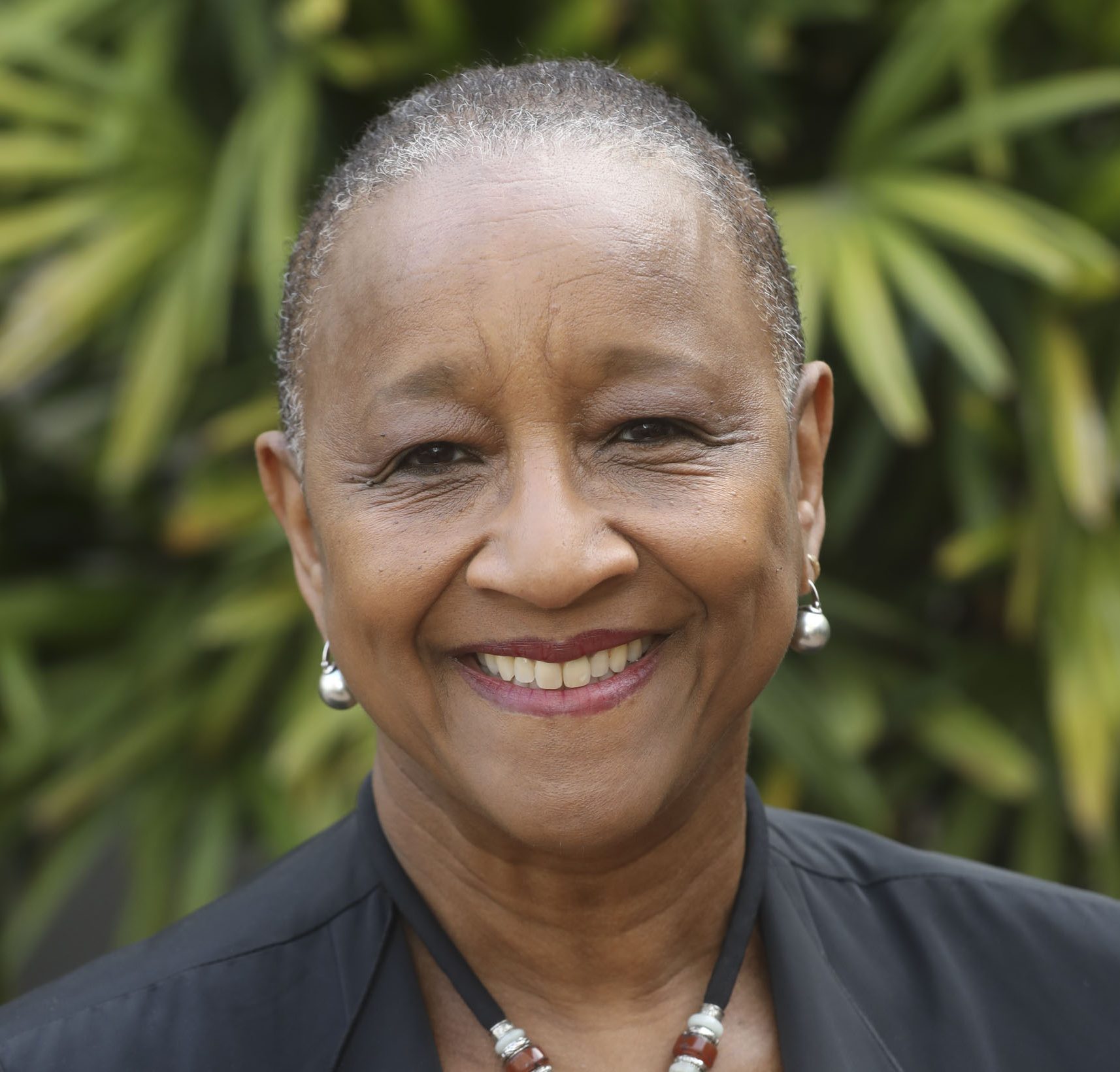
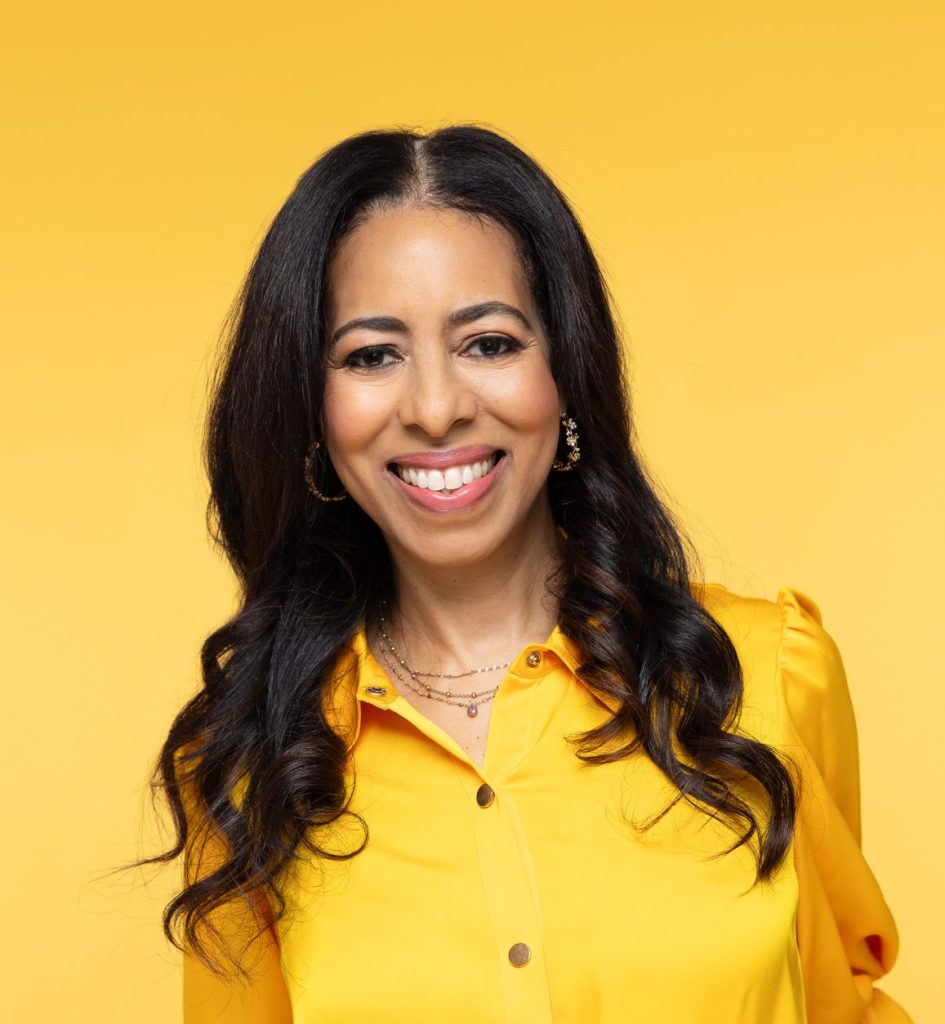
portrait of women with short hair and wearing earrings and neckless

“We work to build trust by listening to the communities we serve, understanding their needs and making our information clear, concise and understandable.”

– English D. Willis

Executive director, clinical safety and risk management, and executive sponsor, Health Literacy Community of Practice

Reducing health disparities around clinical trials

Within our clinical trials, we strive to reduce health care disparities by increasing diverse representation in our clinical trials.

“Health literacy is critically important for achieving clinical trial diversity as it ensures that individuals from diverse backgrounds can understand trial information, make informed decisions and effectively participate. Improving health literacy is essential for equitable access and participation, fostering greater inclusivity in research, leading to more representative and impactful outcomes” said Luther Clark, executive director, medical affairs, patient innovation and engagement.

Euvon Jones, a clinical trial participant, said: “Knowledge is power, and during my journey with prostate cancer, I realized the importance of fully understanding my diagnosis and the options available to me. Through conversations with my doctor and loved ones, and seeking information from reliable sources, I felt empowered to make informed decisions. When we fully understand the importance of the health information we receive, we’re better equipped to navigate the health care system, communicate with providers and advocate for the best possible care.”

Look at some examples of our work

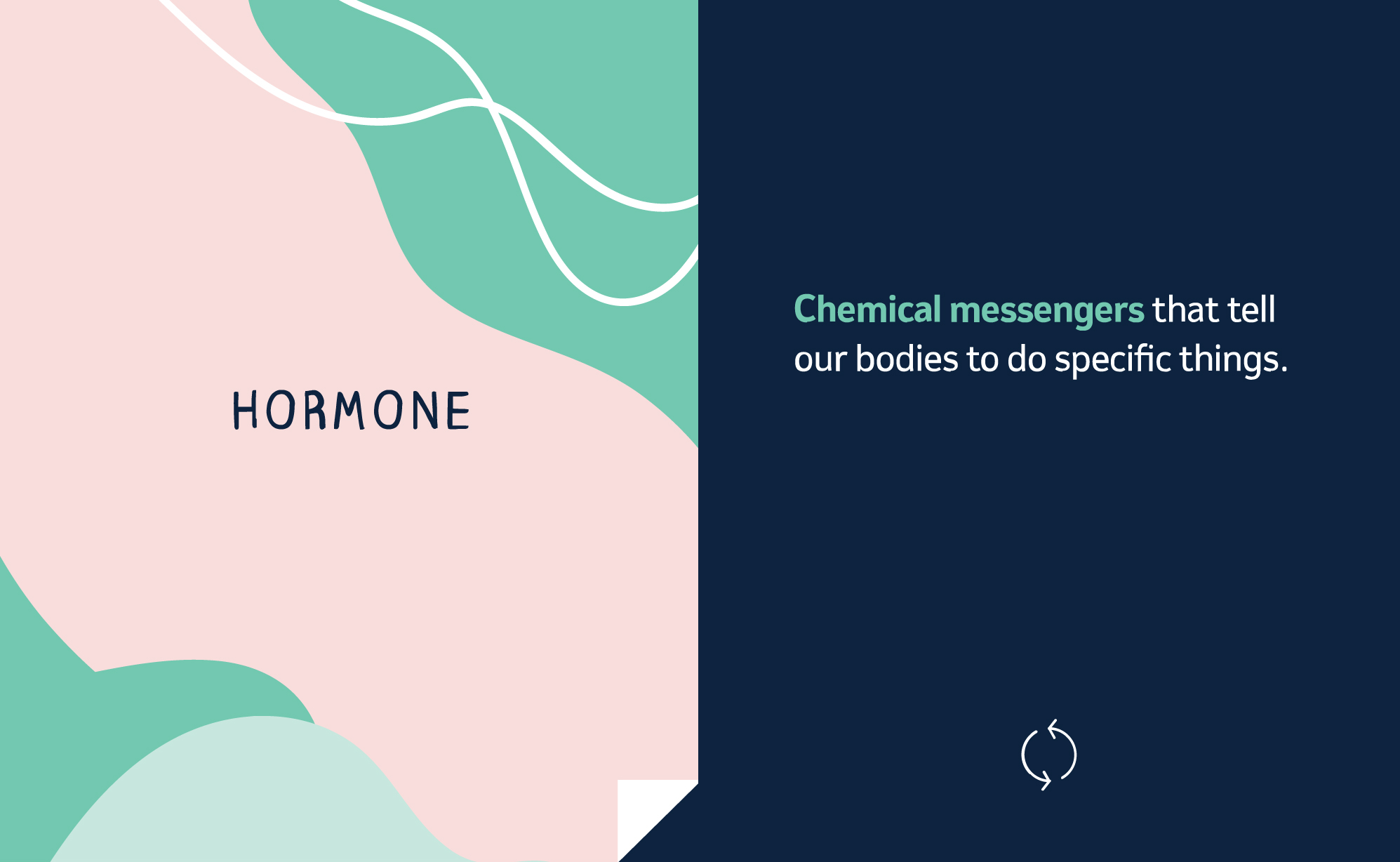
hormone on left chemical messengers on right

Defining complex medical terms in plain language

By defining common terms used by health care providers, patients feel more prepared and confident to engage in discussions with their care teams.

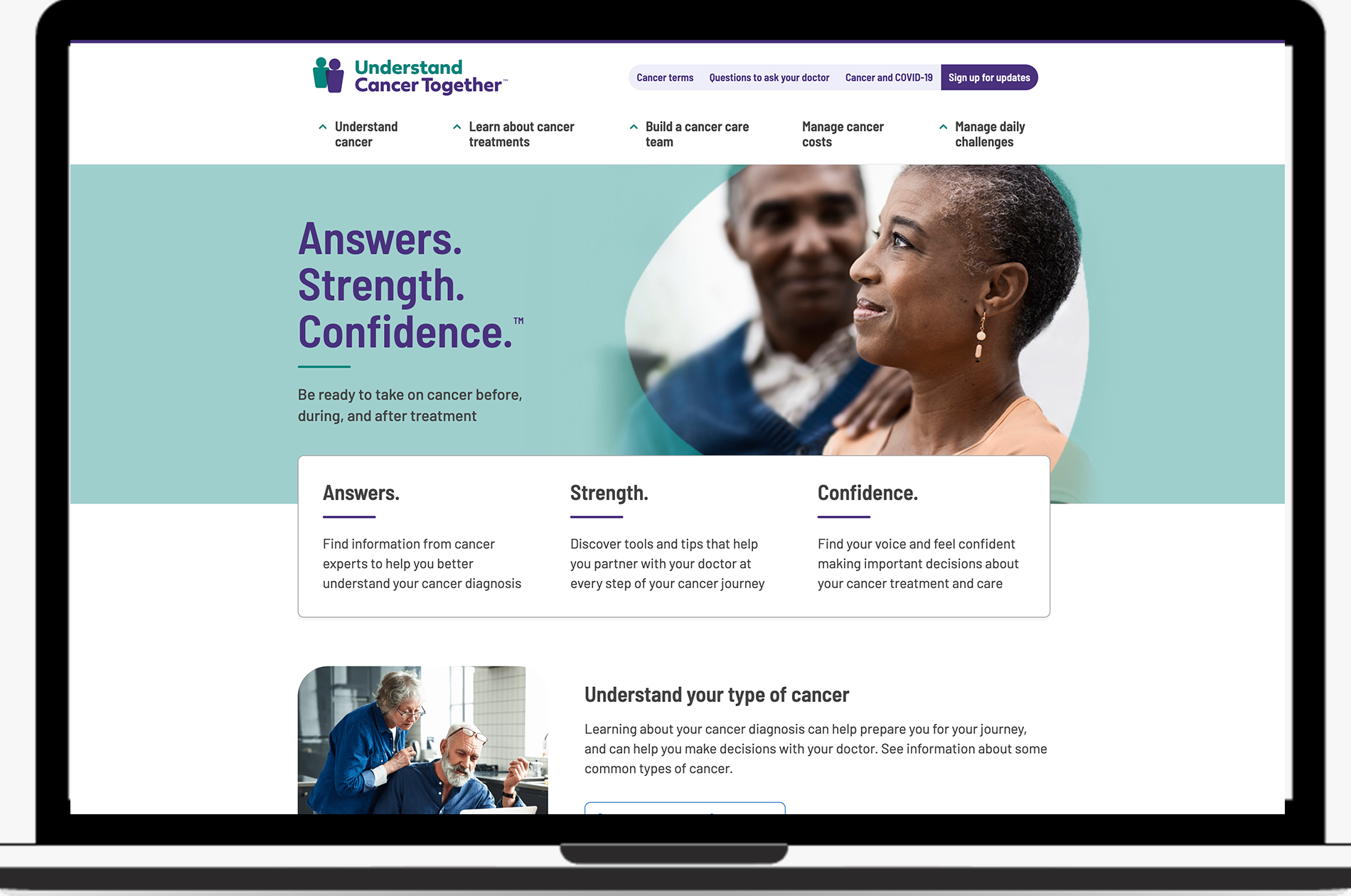
understand cancer together site opened on macbook

Easy to navigate website

Understanding the patient's perspective allowed us to create a website that anticipates their needs for easy navigation. Plainer language, effective visuals and simple layouts make the website a useful tool.

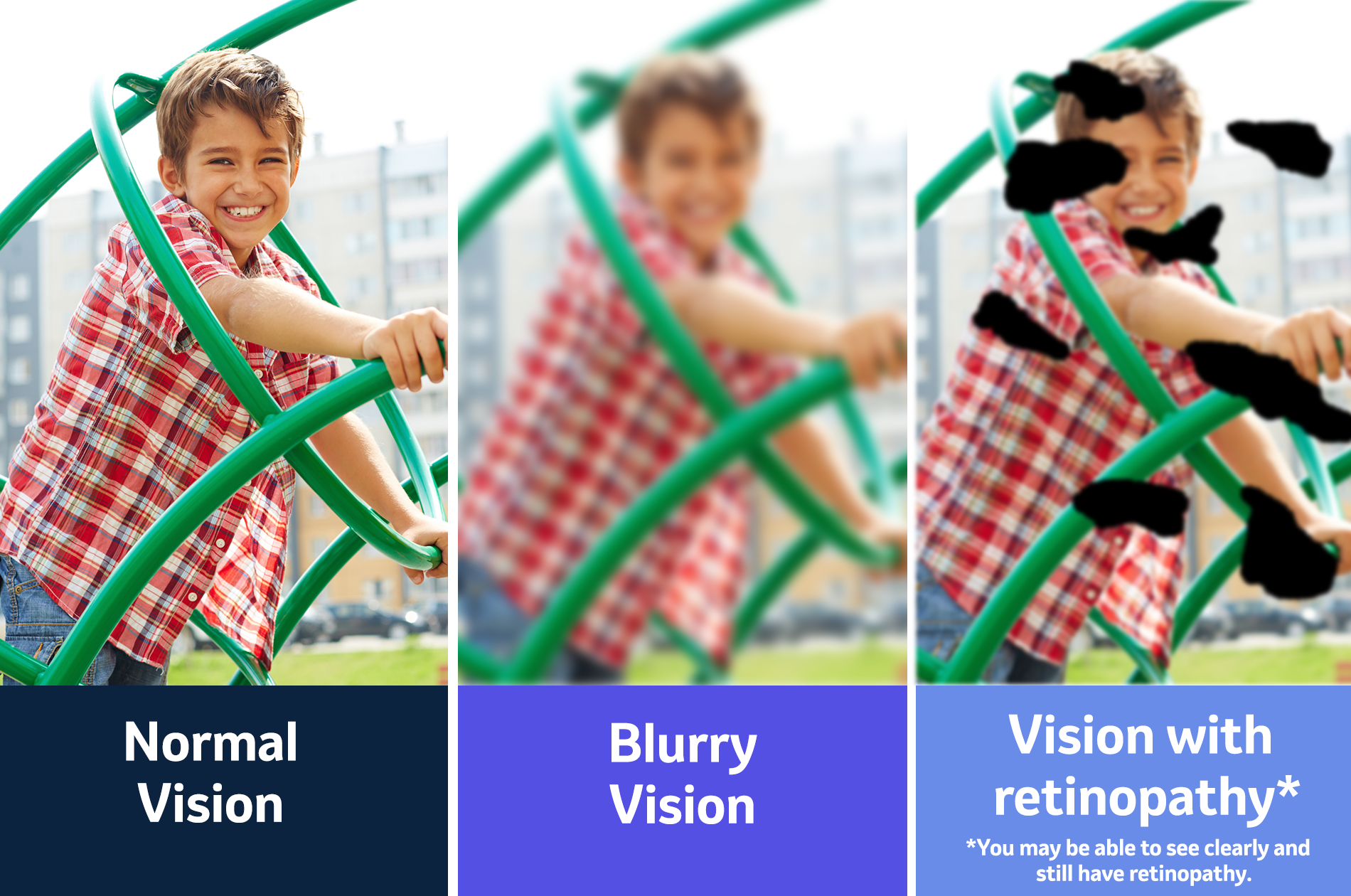
health literacy retinopathy

Seeing from the patient perspective

In a diabetes awareness brochure, we presented the view from the patient's perspective so they can see the potential effects of eye damage from diabetes.

“And our work isn’t done. While we continue to learn and engage with communities, we’re also learning better ways to communicate with our consumers, patients and the general public.”

– English D. Willis

Sustainability

ww5 publishes 2023/2024 Impact Report

Letter from our chairman and chief executive officer, Rob Davis

August 16, 2024

Share this article

ww5 Login Portal | Sign In or Create Account

.st0{fill:#00857C;} ww5 Login Portal | Sign In or Create Account

ww5 Login Portal | Sign In or Create Account

ww5 Login Portal | Sign In or Create Account

Rob Davis

Dear Stakeholders,

For more than a century, we’ve been devoted to innovative scientific discovery, delivering medicines and vaccines to address critical health needs, optimizing the efficiency of our supply chain, increasing diversity in clinical trials, evolving our ww5 Manual for medical reference and so much more. Importantly, everything we do is inspired by our purpose — to save and improve the lives of people and animals around the world. By harnessing leading-edge science, we’ve tackled some of the world’s biggest health challenges for generations, and we remain committed to expanding access to life-changing medicines, vaccines and technologies for many more decades to come. Operating our business responsibly and sustainably is at the core of our values and foundational to our ways of working and business operations.
To help propel our purpose, we continue to prioritize our ambitious sustainability goals, which span four key focus areas: 1) Access to Health; 2) Employees; 3) Environmental Sustainability and 4) Ethics & Values.

Over the last year, our concerted focus on innovation, collaboration and delivering significant and sustained stakeholder value has driven remarkable progress and impactful outcomes. To these ends, I’m proud to share the following key accomplishments:

Expanding and enabling access to health

Enabling access to health underpins every action we take and every decision we make. Across our enterprise, we collaborate with global partners and stakeholders to advance our scientific discoveries, expand and enable access to our medicines and vaccines, and implement initiatives that drive health equity. In 2023, we reached more than 550 million people with our medicines and vaccines through commercial channels, clinical trials, voluntary licensing and product donations. These critical efforts include our MECTIZAN® Donation Program, the longest-running disease-specific drug donation effort of its kind, which aims to combat river blindness and lymphatic filariasis and reached approximately 385 million people last year.

In 2023, we also expanded on our 2021 access to health ambition, and now have a new goal to enable 350 million more people to access our medicines and vaccines by 2025. In 2023 alone, our efforts enabled access for 240 million people. Our products were delivered to nearly 80% of countries globally. And through our social investments, including partnerships to advance access to health and other impact initiatives, we reached more than 54 million people in low- and middle-income countries and populations underserved by health care in high-income countries, surpassing our goal of reaching more than 50 million people by 2025.

Developing and rewarding an inclusive and healthy workforce

We believe the best path to value creation is through our talent, and the variety of backgrounds and ideas they bring are central to the success of our company. Diversity and inclusion is a business imperative. It improves our understanding of our customers, promotes inclusion in our clinical trials and inspires the innovation that drives our business. We remain committed to actively cultivating a talented and inclusive workforce that best represents—and can thus best serve—our customers, health care providers and patients.

In 2023, we defined and introduced 15 new enterprise leadership skills, designed to further advance our culture, power organizational and individual performance, and drive value for our stakeholders and communities.

Embodying and prioritizing environmental stewardship

We know the global health of people and animals is inextricably linked to the health of the planet. This is why we are committed to playing an active role in mitigating the impacts of climate change. Notably, in 2024, we committed to be net-zero across Scopes 1, 2 and 3 greenhouse gas emissions by 2045, aligned with guidance from the Science Based Targets initiative.

Our environmental sustainability strategy is designed to achieve our objectives by focusing on three critical areas: operational efficiency, designing new products to minimize environmental impact and reducing the impacts in our upstream and downstream value chain. And we have been recognized with six consecutive Green Chemistry Challenge Awards—nine overall—as a result of our ongoing efforts to minimize the footprint of our products. The awards are sponsored by the Environmental Protection Agency and the American Chemistry Society and recognize new and innovative environmentally conscious chemistry technologies.

Holding ourselves to the highest standards

We operate responsibly every day in every way, and we hold ourselves accountable to the highest standards of ethics and values. Our code of conduct is our compass, ensuring we maintain our reputation as a trusted, credible and responsible company. It also encourages employees to speak up and report potential concerns to ensure our ethics and values are reflected in our business operations. We maintain full compliance with all privacy and data regulatory requirements related to active incident monitoring, risk/harm analysis and on-time notification of data breaches.

We are also a signatory to the United Nations Global Compact (UNGC), and we align our operations with the Ten Principles of the UNGC to improve communities around the globe.

Additionally, we increased our spend with small and diverse Tier 1 and 2 suppliers from $3.2 billion in 2022 to $3.6 billion in 2023, fostering a healthy, equitable and diverse supply chain.

In 2023, we also added sustainability metrics to our Company Scorecard, which directly correlates to our annual incentive plan. The metrics link the compensation for most employees, including executives, to our performance in driving greater access to health care and employee engagement and inclusion. And I’m pleased to report that, in our inaugural year, we achieved all of our goals for these new sustainability metrics on our Company Scorecard.

Sustaining our momentum

I am very proud of our collective progress and the positive impact we’ve made on the lives of people, animals and communities around the world. In 2023, ww5 was named one of the Top 100 Most Sustainable U.S. Companies by Barron’s and one of America’s Most JUST Companies by JUST Capital and CNBC. And notably, we ranked No. 1 in the health sector for both recognitions. This year, we were also recognized on TIME’s inaugural list of the World’s Most Sustainable Companies, ranking No. 28 out of 500 companies. These honors are a testament to our unwavering passion and commitment to saving and improving lives globally.

I remain confident that we can do even more to further advance global health and access, drive diversity and inclusivity, protect the environment and operate responsibly. I’m excited and energized by the possibilities of our science-led strategy, the promise that our short- and long-term efforts present, and the positive, sustainable impacts that we can make today and well into the future.

My sincerest thanks for your continued support as we pursue a healthier and brighter future for all.

Very best regards,

Rob Davis

Chairman & Chief Executive Officer

Sustainability

Inspiring innovation through diversity and inclusion

We recognize the importance of embedding a culture of inclusion and belonging at every level of our company

January 25, 2024

Share this article

ww5 Login Portal | Sign In or Create Account

.st0{fill:#00857C;} ww5 Login Portal | Sign In or Create Account

ww5 Login Portal | Sign In or Create Account

ww5 Login Portal | Sign In or Create Account

colleague collaborating with the team

An inclusive workplace inspires innovation and is fundamental to our company’s success. Having an environment composed of people with different backgrounds, perspectives and experiences also helps us better understand the unique needs of the customers, health care providers and patients we serve.

Nicole Stovall

“With inclusion as a foundation, we’re able to ignite the spark of creativity that leads to innovation and extraordinary outcomes.”

  • Nicole Stovall
    Vice president, Global Diversity & Inclusion Center of Excellence

Below are some of the ways we celebrate our culture of empowerment, engagement and belonging:

01.

Supporting a disability-inclusive workforce

At our company, everyone should feel empowered to help deliver on our purpose of using the power of leading-edge science to save and improve lives around the world. This includes our colleagues who live with disabilities.

Our Global Disability Inclusion Strategy Council recognizes and values the importance of a disability-inclusive workforce and offers resources to ensure people with disabilities — including physical, neurological, mental, rare or any other forms of disabilities — are included and prepared to succeed in all areas of our business.

Key programs and partnerships include:

  • capAbility in Action, a joint program launched with Accenture and run in partnership with workforce solutions company Rangam to attract, recruit and retain neurodivergent talent.
  • Valuable 500, a global partnership of 500 companies committed to accelerating disability inclusion through best practices such as digitally accessible technology, mental health awareness and more.

02.

Building a pipeline of the best talent

With our Skills-First approach to hiring, we’re shifting the ways we attract, develop and advance talent. For appropriate roles, this new approach increases the focus on skills instead of a four-year degree.

Key partners in our efforts include:

  • OneTen, a coalition of leading companies driving a Skills-First movement to unlock career opportunities for talent without four-year degrees.
  • Year Up, a nonprofit that offers economically disadvantaged youth six months of training followed by a six-month corporate internship.
  • Hiring Our Heroes, an organization that connects the military community to civilian employers and helps upskill service members in preparation for post-service careers.

03.

Economic inclusion and small business development

Economic inclusion creates a competitive advantage for our company and positively impacts the global community.

We create economic opportunities by procuring products and services from an array of small businesses ranging in different locations, ownership and specialties.

Key initiatives include:

  • Our Economic Inclusion Virtual Lab offers monthly opportunities for small business owners to engage with our supply chain professionals, prime suppliers and advocacy organizations.

04.

Celebrating global diversity and inclusion

Since 2015, we’ve celebrated Global Diversity & Inclusion Experience Month in September to foster meaningful discussions and learning around diversity and inclusion, while highlighting our inclusive culture.

This monthlong celebration builds capabilities among our workforce and creates a platform for employees to speak up about their experiences.

05.

Employee business resource groups (EBRGs)

With more than 25,000 members across 10 groups, our EBRGs play a critical role in driving an inclusive culture and supporting employee career growth. Each EBRG is open to all employees, and they reflect the communities in which we live and serve.